A Practical Guide to Lava Stone Meaning
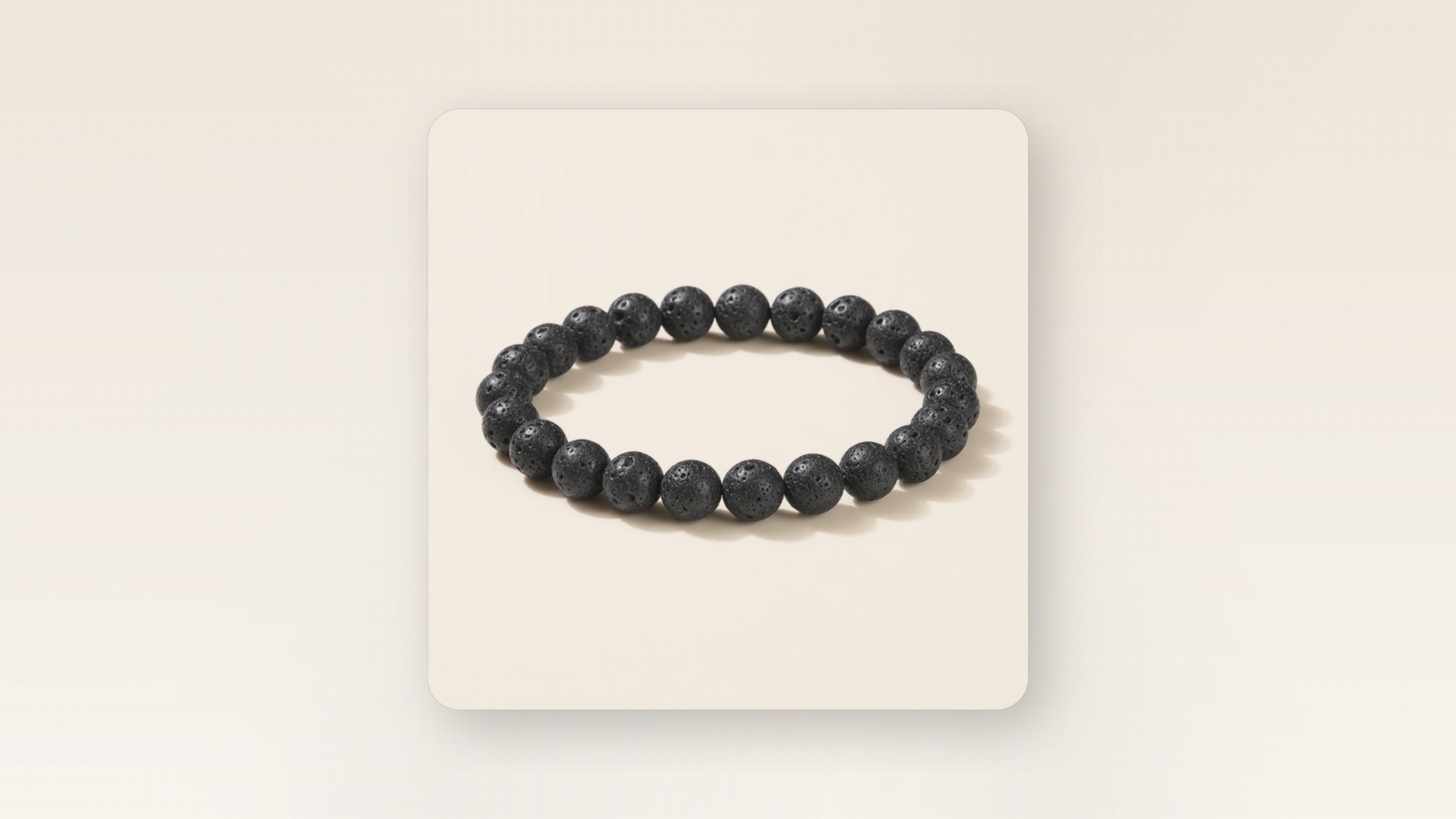
Table of Contents
- Table of Contents
- What Is Lava Stone? A Quick Geological & Cultural Overview
- Lava Stone Meaning: Grounding, Rebirth, and Transformation
- Earth and Fire: The Dual Symbolism of Lava Stone
- Lava Stone and the Root Chakra
- Lava Stone Benefits: Emotional Calm, Focus, and Balance
- Lava Stone vs. Other Grounding Stones: A Practical Comparison
- Decision Guide: Is Lava Stone the Right Fit for You?
- Applicability Boundaries
- Step-by-Step Checklist: Getting Started With Lava Stone
- How to Use Lava Stone for Grounding and Essential Oils
- FAQ: Common Questions About Lava Stone Meaning
- What is the meaning of lava stone?
- How does lava stone make you feel?
- Which chakra is associated with lava stone?
- What are the benefits of wearing lava stone jewelry?
- How do you use lava stone for grounding and essential oils?
- Final Thoughts
- Sources
Table of Contents
- What Is Lava Stone? A Quick Geological & Cultural Overview
- Lava Stone Meaning: Grounding, Rebirth, and Transformation
- Earth and Fire: The Dual Symbolism of Lava Stone
- Lava Stone and the Root Chakra
- Lava Stone Benefits: Emotional Calm, Focus, and Balance
- Lava Stone vs. Other Grounding Stones: A Practical Comparison
- How to Use Lava Stone for Grounding and Essential Oils
- FAQ: Common Questions About Lava Stone Meaning
- What is the meaning of lava stone?
- How does lava stone make you feel?
- Which chakra is associated with lava stone?
- What are the benefits of wearing lava stone jewelry?
- How do you use lava stone for grounding and essential oils?
- Final Thoughts
What Is Lava Stone? A Quick Geological & Cultural Overview
Lava stone is volcanic rock—most commonly basalt—that forms when magma from a volcano cools and solidifies into stone. It is found in volcanic regions worldwide and is one of the most abundant rock types on Earth. Its color is usually black or dark grey, though iron-rich varieties can appear red or brown. Because it originates underground and is shaped by intense heat, lava stone carries a dual identity that makes it unusual among decorative and symbolic stones: it is both earthy and fiery at once.
Beyond its geological story, lava stone has practical roots. Volcanic rock like obsidian was used by ancient peoples for tool-making, a history documented by the U.S. Geological Survey at Yellowstone's Obsidian Cliff. This long relationship between humans and volcanic stone gives lava stone a cultural weight that goes beyond decoration—it has been a working material, a survival tool, and a symbol for thousands of years.
Lava Stone Meaning: Grounding, Rebirth, and Transformation
The meaning of lava stone is commonly framed around grounding and personal growth. It is often associated with rebirth and transformation because of how it is created: molten material that emerges from destruction and hardens into something stable. Many people describe lava rock as carrying a symbolic connection to the Earth's interior, and many wearers find that symbolism meaningful during periods of change.
It is also treated in many traditions as a stone of primal fire that is strongly grounding, and is said to help direct energy—which is why it appears so often in spiritual and meditative practices. Importantly, these are symbolic and cultural interpretations, not medical claims. Lava stone may serve as a personal reminder of stability; it does not replace professional care of any kind.
Earth and Fire: The Dual Symbolism of Lava Stone
Most stones lean toward one element. Lava stone holds two. Its earthy qualities are linked to grounding, focus, and balance, while its fiery energy is associated with passion, assertiveness, and vitality. Many symbolic traditions frame this as a mix of assertive energy and practical restraint.
This duality is the most useful thing to understand about lava stone. If you tend to feel unmoored, the earth aspect is the one you'll likely relate to. If you feel stagnant, the fire aspect may resonate more. The stone doesn't ask you to choose—it holds both.
Lava Stone and the Root Chakra
Lava stone is most commonly associated with the root chakra, which in chakra traditions relates to feelings of safety, stability, and belonging. This association comes from the stone's origin deep in the ground—like roots. Many practitioners describe lava rock as a stone that helps connect the user symbolically to the Earth, which some people find meaningful when they feel disconnected from themselves.
In practice, this means lava stone is often chosen by people working on boundaries, consistency, or simply feeling more present in their own lives. It's a stone for the foundation, not the peak.
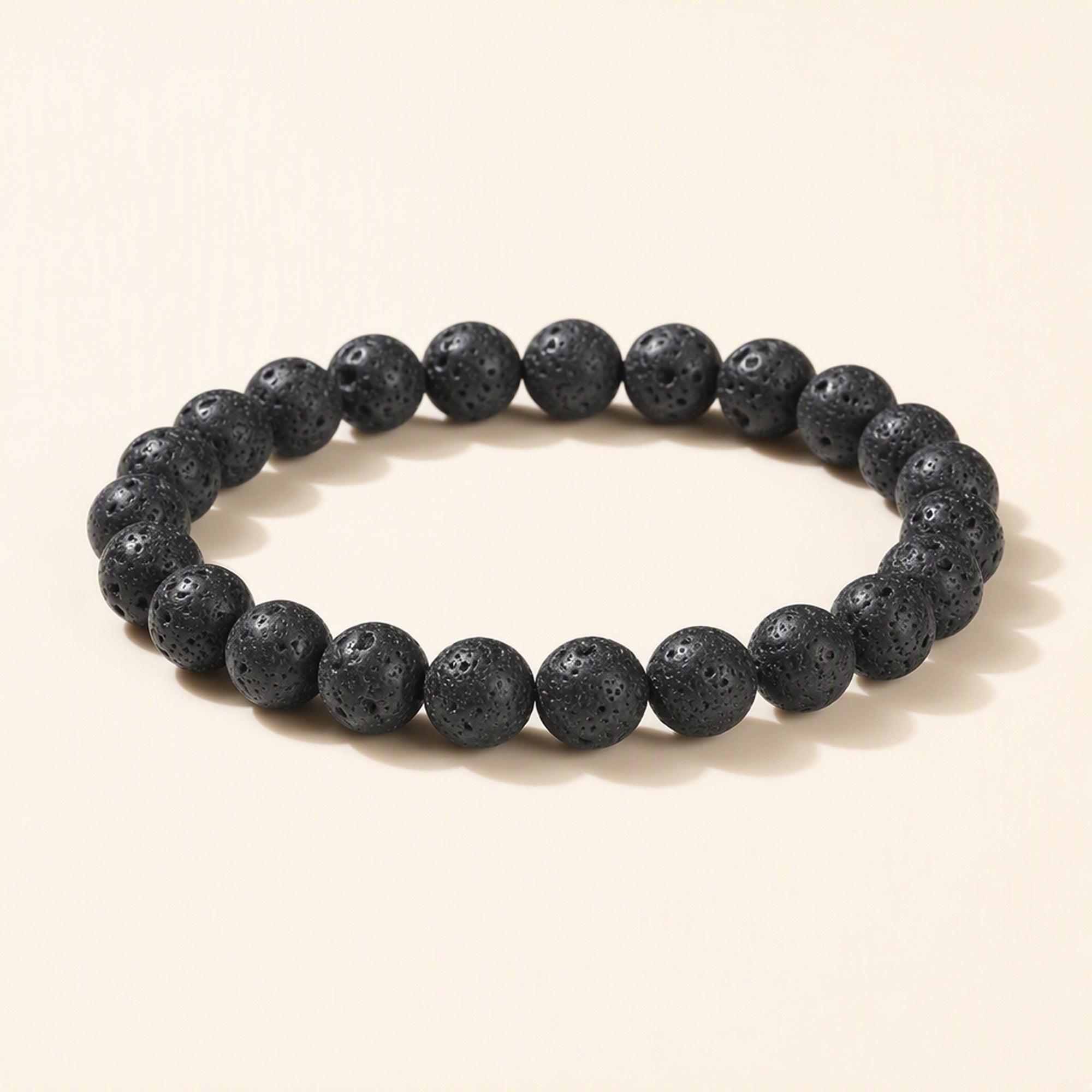
Lava Rock Bracelet
A quiet bracelet for turning this intention into a small daily ritual.
Shop This Authentic Piece →Lava Stone Benefits: Emotional Calm, Focus, and Balance
What does lava stone feel like to wear or hold? In many symbolic and traditional accounts, lava stone is associated with calmness, emotional tranquility, and relaxation. These are traditional and symbolic associations rather than clinical or measurable outcomes.
Many people report that the stone's weight and texture alone create a tactile anchor. Because lava stone is porous and matte rather than glossy, it feels distinctly different from polished crystals. That texture is often part of why it's chosen for grounding work: there's something to physically hold onto.
Lava Stone vs. Other Grounding Stones: A Practical Comparison
Lava stone is not the only option people consider for grounding symbolism, but its combination of texture, origin, and elemental symbolism makes it distinct. Here's how it compares to common alternatives often mentioned in the same context.
| Stone | Primary Association | Texture & Form | Notable Quality |
|---|---|---|---|
| Lava stone (basalt) | Root chakra; earth + fire duality | Porous, matte, lightweight | Absorbs essential oils; symbolic of rebirth through volcanic formation |
| Hematite | Root chakra; grounding | Smooth, metallic sheen, heavy | Often described as dense and centering; no porous texture |
| Black tourmaline | Protection and grounding | Rough to polished, can be striated | Widely discussed for symbolic shielding; harder surface than lava |
| Obsidian | Protection, truth, shadow work | Glossy, glass-like, sharp when broken | Also volcanic; historically used for tools per USGS records |
The practical takeaway: lava stone's porous surface is what sets it apart for aromatherapy style use and tactile grounding, while its volcanic origin connects it to a documented history of human tool-making. If you want a smooth, heavy stone for stillness, hematite may suit you. If you want a stone you can anoint with oil and carry as a sensory reminder, lava stone is the more natural fit.
Decision Guide: Is Lava Stone the Right Fit for You?
| If your goal is… | Lava stone fits well if… | Consider a different stone if… |
|---|---|---|
| A tactile, scent-carrying reminder | You want a porous stone that holds a drop of diluted oil and releases aroma over time | You dislike texture changes or oil residue on the stone's surface |
| A symbolic anchor for change | You resonate with the fire-to-foundation narrative and root chakra associations | You prefer stones with no elemental or chakra framing |
| A heavy, smooth stillness object | You value matte texture and a lightweight feel in jewelry | You want a dense, highly polished, metallic-looking finish (hematite may suit better) |
| A gift with cultural depth | The recipient is interested in volcanic stone's documented tool-making history | The recipient prefers glossy, glass-like stones (obsidian may suit better) |
Applicability Boundaries
- Symbolic use only. Lava stone meaning is a cultural and personal framing. It is not a treatment, therapy, or substitute for professional advice of any kind.
- Essential oils are a sensory practice, not a remedy. Always dilute oils, patch-test on skin, and follow the oil manufacturer's guidance. Some people have sensitivities; discontinue use if irritation occurs.
- Porous means it absorbs. Oils, lotions, soaps, and perfumes can darken or stain the stone. Choose the oils you apply deliberately.
- Jewelry care matters. Lava beads can crack if dropped on hard surfaces or exposed to rapid temperature changes. Inspect cords and clasps regularly if worn daily.
Step-by-Step Checklist: Getting Started With Lava Stone
- Clarify your intention. Decide whether you want a symbolic anchor, a scent cue, a tactile focus object, or simply an accessory—this shapes how you use the stone.
- Inspect the piece. Check for cracks, loose beads, or uneven pores. A stable stone lasts longer and feels better in hand.
- Choose a scent (optional). Select one diluted oil you enjoy. Start with a single drop to gauge color change and absorption.
- Apply sparingly. Place one or two drops on a discreet area of the stone. Avoid saturating it to prevent residue buildup.
- Let it absorb and dry. Give the stone time to settle before wearing, especially against light-colored clothing.
- Set a cue. Tie the scent or the stone's weight to a simple pause—one breath, one check-in—so it functions as a sensory reminder.
- Maintain it. Wipe gently with a soft dry cloth. Avoid soaking the stone or using harsh cleaners, which can degrade its texture.
- Revisit your use. If the stone no longer serves your intention, repurpose it, store it, or pass it on—symbols work best when they stay meaningful.
How to Use Lava Stone for Grounding and Essential Oils
Lava stone's porosity makes it a favorite for essential oil jewelry. Because the surface has tiny natural pockets, a drop of oil placed on the stone is gradually released into the air over time. This is a practical, non-medical way to carry a scent with you as a sensory cue—a reminder to pause and breathe.
To use lava stone this way, place one or two drops of a diluted essential oil on the stone and allow it to absorb. Avoid saturating the stone, and be mindful that some oils can leave residue or alter the stone's appearance. If you wear lava stone as a bracelet or pendant, you can pair your chosen scent with a simple intention—steadiness, focus, or calm—so the aroma becomes a sensory anchor.
For grounding without oils, simply holding the stone and noticing its weight and rough texture can serve as a brief mindfulness practice. The goal is not a promised outcome but a tangible point of focus.
FAQ: Common Questions About Lava Stone Meaning
What is the meaning of lava stone?
Lava stone commonly represents grounding, rebirth, and transformation. It forms from molten rock that cools into stable stone, which is why it is often linked to change and resilience. Many sources describe it as a stone of grounding and personal growth, while others emphasize its symbolic connection to the Earth's interior.
How does lava stone make you feel?
Many wearers describe a sense of calm, stability, and tactile focus when holding or wearing lava stone. Traditional accounts note associations with emotional tranquility and relaxation. These are subjective, symbolic experiences rather than medical effects.
Which chakra is associated with lava stone?
Lava stone is most often associated with the root chakra, which in chakra traditions relates to safety, stability, and a sense of belonging. This association is typically connected to the stone's deep-earth origin, and many practitioners describe it as a stone that symbolically connects the user to the Earth.
What are the benefits of wearing lava stone jewelry?
Wearing lava stone jewelry is often chosen for its grounding symbolism, its weight and texture, and its ability to hold essential oils. It can serve as a visual or tactile reminder of an intention. No medical benefits are claimed or implied; the value is personal and symbolic.
How do you use lava stone for grounding and essential oils?
Apply one or two drops of diluted essential oil to the porous surface and let it absorb. Wear the stone as a bracelet or pendant, using the scent as a sensory cue. You can also hold the stone bare and focus on its texture and weight for a brief mindfulness moment. Clean gently and avoid oversaturating the stone.
Final Thoughts
Lava stone meaning is rooted in a simple geological fact: molten rock becomes solid ground. That transformation—from fire to foundation—is what makes it a compelling symbol for anyone navigating change. Whether you're drawn to its root chakra associations, its documented history as a tool-making material, or its practical use with essential oils, lava stone offers a tangible way to reconnect with a sense of steadiness. Treat its meaning as a personal anchor, not a promise, and let its dual earth-and-fire nature reflect the balance you're building in your own life.
A quiet piece for carrying this ritual into the day.
Explore Lava Rock Bracelet — Lumina Quartz →Sources
- Yellowstone's tool-making lava flows | U.S. Geological Survey
- Volcano Hazards Program | U.S. Geological Survey
- Global Volcanism Program | Image Collections | Types and Features | Lava Domes
Product Facts From the Current Catalog
These details come from the active Lumina Quartz catalog record checked on 2026-09-21. They are product-listing facts, not laboratory results or invented wear-test claims.
| Listed product | Lava Rock Bracelet – Elemental Grounding |
|---|---|
| Format | Bracelet |
| Listed price snapshot | 42.00 |
Price, availability, and options may change. Check the live product listing before choosing.