Black Crystal Bracelet Meaning: Your Guide to Grounding and Protection
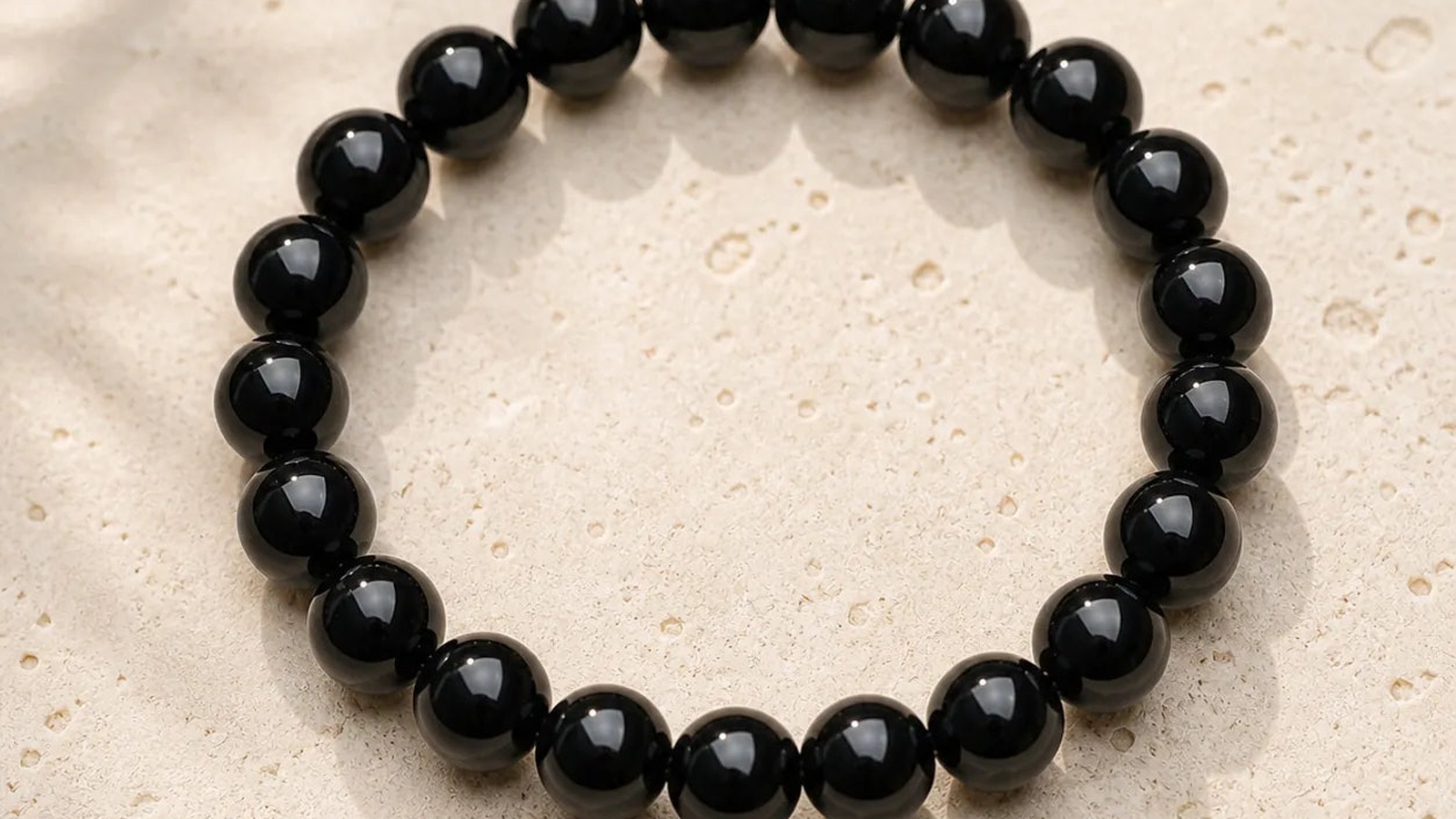
Table of Contents
- Introduction to Black Crystal Bracelets
- Key Takeaways
- The Meaning and Benefits of Black Crystals
- What Do Black Bracelets Mean?
- Protection and Grounding Properties
- Emotional and Spiritual Healing
- Types of Black Crystals and Their Unique Qualities
- Black Onyx vs. Black Obsidian
- Other Black Stones: Hematite, Tourmaline, and Rutilated Quartz
- How to Style Your Black Crystal Bracelet
- Men's and Women's Designs
- Pairing with Other Jewelry
- What to Look for Before Buying
- Bracelet Length and Fit
- Material Quality: Waterproof, Tarnish-Free, Hypoallergenic Options
- Authenticity and Healing Claims
- Caring for Your Black Crystal Bracelet
- Frequently Asked Questions
- Conclusion: Choosing the Right Black Crystal Bracelet for You
There is something quietly compelling about a black crystal bracelet. It does not demand attention the way gold or diamonds might. Instead, it rests against the skin like a small, steady reminder—of grounding, of resilience, of the slow and honest work of becoming yourself. In a world that rarely pauses, a simple dark bead at your wrist offers a moment of stillness.
Introduction to Black Crystal Bracelets
Black crystals have accompanied humanity for centuries. Ancient Egyptians carved dark stones into protective amulets; Roman soldiers wore obsidian into uncertain terrain; Indigenous cultures around the world used jet and onyx in ceremonial adornment. These stones were never merely decorative. They were carried as anchors, worn as shields, and passed down as quiet heirlooms.
Today, the black crystal bracelet still carries that quiet power, though its meaning has become more personal. Some choose it for its understated elegance. Others seek a tangible reminder of their own strength. And many simply appreciate how effortlessly a black bracelet pairs with a linen shirt, a tailored suit, or a well-worn sweater. Whatever draws you to it, a black crystal bracelet rewards a considered choice.
Key Takeaways
- Black crystal bracelets are often associated with grounding, protection, and quiet emotional resilience.
- Different black stones offer different energies: black onyx for strength, black obsidian for clarity, hematite for focus, and black tourmaline for shielding.
- When choosing a bracelet, consider bead size, wrist fit, clasp quality, and whether the materials are waterproof, tarnish-free, and hypoallergenic.
- Avoid vendors that make medical promises—honest brands frame benefits as supportive rather than curative.
- With simple, consistent care, a black crystal bracelet can remain a daily companion for years to come.
The Meaning and Benefits of Black Crystals
No crystal is a magic wand, and no stone—no matter how beautiful—replaces rest, therapy, or professional medical care. But across traditions and centuries, black crystals have been associated with qualities that many of us wish to cultivate: steadiness, courage, and clarity. Wearing a black crystal bracelet may support a sense of calm; it may remind you to breathe before you speak, to pause before you react, and to trust the slow unfolding of your own path.
What Do Black Bracelets Mean?
If you have ever searched for the meaning behind a black bracelet, you have probably noticed that the answer depends on who is wearing it and why. Across cultures, black has carried layered meanings—mourning and formality, certainly, but also strength, sophistication, and quiet authority. In many Eastern traditions, black is linked to water, depth, and the unknown. In the West, black has long been a color of both restraint and rebellion. When you combine those cultural meanings with the specific energy associated with a stone like onyx or obsidian, a black bracelet becomes something more than an accessory: a small, deliberate statement about how you want to move through the world.
It is worth noting that black has also been reclaimed as a color of pride and identity. The Smithsonian's National Museum of African American History and Culture documents how the phrase "black is beautiful" emerged in the 1960s and 1970s as a broad embrace of Black culture, heritage, and contemporary achievement. That history is a reminder that the meaning of black is never fixed—it is shaped by the people who wear it. A black bracelet can be elegant, protective, defiant, or simply yours.
Protection and Grounding Properties
Black stones are perhaps most often associated with protection—not in a literal, magical sense, but as a felt experience. Many people describe wearing black onyx or obsidian as walking into a crowded room with a softer boundary, as if the stone helps absorb the noise around them. Grounding is a similar idea: the stone is thought to connect you more firmly to the present moment, to the earth beneath your feet, and to the reality of your own body. On difficult days, that grounding can feel like a gentle hand on your shoulder.
Emotional and Spiritual Healing
Black crystals are also often associated with emotional release. They are sometimes used in meditation as a way to sit with uncomfortable feelings—grief, anger, uncertainty—without being consumed by them. This is not healing in a clinical sense; it is more like emotional scaffolding. A black crystal bracelet may support introspection, helping you name what you feel and decide what you want to carry forward. That kind of honest self-awareness is its own quiet form of strength.
Types of Black Crystals and Their Unique Qualities
Not all black crystals are the same. Each stone carries its own history, structure, and texture, and many people find that different stones speak to them in different seasons of life. Here is a closer look at the most common black crystals used in bracelets.
Black Onyx vs. Black Obsidian
Black onyx is smooth, uniform, and often dyed to achieve its deep, glassy black color. It has long been associated with discipline and self-control—a stone for people who are building something, whether a business, a marriage, or a new habit. Black obsidian, by contrast, is volcanic glass. It is sharper in origin, formed when lava cools rapidly, and it carries a more intense energy. Many associate obsidian with truth-telling: it is often described as a mirror that shows you what you might prefer not to see. In bracelet form, onyx feels polished and composed; obsidian feels raw and honest. Neither is better—they simply serve different moments.
Other Black Stones: Hematite, Tourmaline, and Rutilated Quartz
Hematite is metallic and surprisingly heavy for its size. It is often associated with focus and concentration, making it a favorite among students, writers, and anyone who needs to hold a thread of attention through a long day. Black tourmaline is typically streaked with dark gray or brown, and it is the stone most often associated with clearing stagnant energy. Rutilated quartz, meanwhile, contains fine black needles of rutile within a translucent or darkened quartz base—it catches light in a way that feels almost alive. For those who love jewelry with depth, rutilated quartz offers both texture and conversation.
How to Style Your Black Crystal Bracelet
A black crystal bracelet is one of the most forgiving pieces of jewelry you can own. It does not compete with your outfit; it completes it. Whether you are dressed for a boardroom or a beach, a single black bracelet at the wrist adds intention without noise.
Men's and Women's Designs
Black crystal bracelets are entirely unisex. Men often prefer larger beads, matte finishes, and leather cords, while women may gravitate toward smaller beads, gold or silver accents, and delicate charms—but there are no rules. A polished black onyx bracelet with a single sterling silver bead reads beautifully on anyone. Many designers now create adjustable or unisex styles specifically to blur these lines, so choose what feels like you rather than what fits a category.
If you are drawn to a darker, more volcanic feel, our obsidian bracelet guide walks through what to consider before you choose.
Pairing with Other Jewelry
The beauty of black is that it plays well with nearly everything. Pair a black onyx bracelet with a gold watch for a warm, polished contrast, or stack it with a silver chain for something cooler and more modern. Multiple black bracelets worn together create a subtle, tonal depth—especially when you mix finishes, such as matte beads beside polished ones. If you prefer a single statement piece, a black bracelet worn alone on a bare wrist is one of the most quietly confident looks there is. Avoid over-stacking with too many competing metals; two or three pieces is usually the sweet spot where intention still reads clearly.
What to Look for Before Buying
A black crystal bracelet can last for years, or it can lose its finish in a matter of weeks. The difference usually comes down to a few practical details. Before you buy, it helps to check the bead quality, the fit, the hardware, and how the seller talks about what the stone can and cannot do.
Buyer's Decision Checklist
Use this quick checklist to compare bracelets before you commit.
- Fit: Measure your wrist and add roughly 0.5 to 1 inch (1.3 to 2.5 cm) for a comfortable drape. A bracelet that is too tight will pull; too loose and it will slide over your hand.
- Bead size: 6 mm for a delicate look, 8 mm for a classic everyday size, 10 mm or larger for a bolder statement.
- Hardware: Look for stainless steel, sterling silver, or gold-filled clasps rather than plated base metals that tarnish quickly.
- Stringing: Quality elastic cord or a knotted cord with a secure clasp holds up far longer than thin, stiff elastic.
- Material claims: Honest listings describe waterproof, tarnish-free, and hypoallergenic materials accurately—and avoid promising medical outcomes.
- Returns: A clear return policy is a good sign that the seller stands behind the product.
Bracelet Length and Fit
Fit matters more than most people expect. A bracelet should sit comfortably against the wrist without pinching or sliding freely over the hand. Measure the circumference of your wrist just below the wrist bone, then add about half an inch to an inch for a relaxed fit. If you are between sizes, size up—especially for beaded styles, which do not stretch the way a chain bracelet can.
Material Quality: Waterproof, Tarnish-Free, Hypoallergenic Options
Because a black crystal bracelet is often worn daily, material quality matters. Waterproof cord and stainless steel or gold-filled hardware hold up better against sweat, hand-washing, and everyday wear than plated metals that flake over time. If you have sensitive skin, look for hypoallergenic materials such as stainless steel, sterling silver, or surgical-grade metals. These choices help the bracelet stay wearable—and looking new—for far longer.
Authenticity and Healing Claims
Be cautious of any seller that makes medical promises about crystals. Reputable brands frame the benefits of black crystals as supportive and symbolic rather than curative. A stone may help you feel grounded or remind you to slow down, but it is not a substitute for medical care. A truthful listing will describe the stone honestly—its name, origin where known, and finish—without overpromising.
Caring for Your Black Crystal Bracelet
Caring for a black crystal bracelet is simple. Wipe the beads with a soft, dry cloth to remove oils and dust. If the cord or hardware allows, a gentle wipe with a barely damp cloth is fine—then dry thoroughly. Avoid harsh chemicals, ultrasonic cleaners, and long soaks, which can dull a polished finish or weaken elastic. Store your bracelet separately from harder jewelry to prevent scratches, and check the stringing every few months for wear. If you enjoy ritual, you can set an intention with your bracelet each morning, simply by holding it for a moment before you put it on—a small, daily practice that keeps the piece meaningful.
Frequently Asked Questions
What does a black crystal bracelet mean?
A black crystal bracelet is most often associated with grounding, protection, and quiet resilience. The specific meaning depends on the stone—onyx is linked to strength and discipline, obsidian to clarity and truth, hematite to focus, and black tourmaline to clearing stagnant energy. For many wearers, the bracelet becomes a personal reminder of calm and steadiness rather than a single fixed symbol.
Which black stone is best for protection?
Black obsidian and black tourmaline are the stones most commonly associated with protection. Obsidian is often described as a truthful mirror, while tourmaline is associated with clearing dense or stagnant energy. Black onyx is also widely worn for a sense of strength and boundary-setting. The "best" stone is really the one whose feel and character resonate with you.
Can I wear a black crystal bracelet every day?
Yes. Black crystal bracelets are well suited to daily wear, especially if the cord is waterproof and the hardware is tarnish-free and hypoallergenic. To keep it looking its best, wipe it after wear, avoid long exposure to harsh chemicals, and check the stringing periodically.
How do I choose the right bracelet size?
Measure your wrist just below the wrist bone, then add about 0.5 to 1 inch (1.3 to 2.5 cm) for a comfortable fit. Beaded bracelets do not stretch, so if you are between sizes, choose the larger option. A well-fitted bracelet should rest against the wrist without pinching or sliding off.
Is a black crystal bracelet appropriate for men and women?
Absolutely. Black crystal bracelets are unisex by nature. Bead size, finish, and accent metals are the main variables—larger matte beads tend to read more masculine, while smaller beads with fine accents read more delicate—but there are no rules. Many brands now offer adjustable or intentionally unisex designs.
Conclusion: Choosing the Right Black Crystal Bracelet for You
A black crystal bracelet is a small object with a long history. It has been worn as an amulet, a sign of status, a token of mourning, and a symbol of pride. Today, it can be whatever you need it to be: a grounding companion, a quiet style staple, or a daily reminder of your own resilience. Choose a stone that speaks to you, prioritize honest materials and a good fit, and wear it with intention. The rest—like most meaningful things—unfolds over time.
Related Reading
- Crystal Rituals for Beginners: A Simple Guide to Daily Practice
- Daily Crystal Ritual: How to Set Intention, Wear, and Cleanse Your Stone
- Calming Crystals: Crystal Ritual Guide
- Obsidian Bracelet: Your Guide to Grounding & Protection