Emerald Stone: Spiritual Meaning, Symbolism, and Daily Use
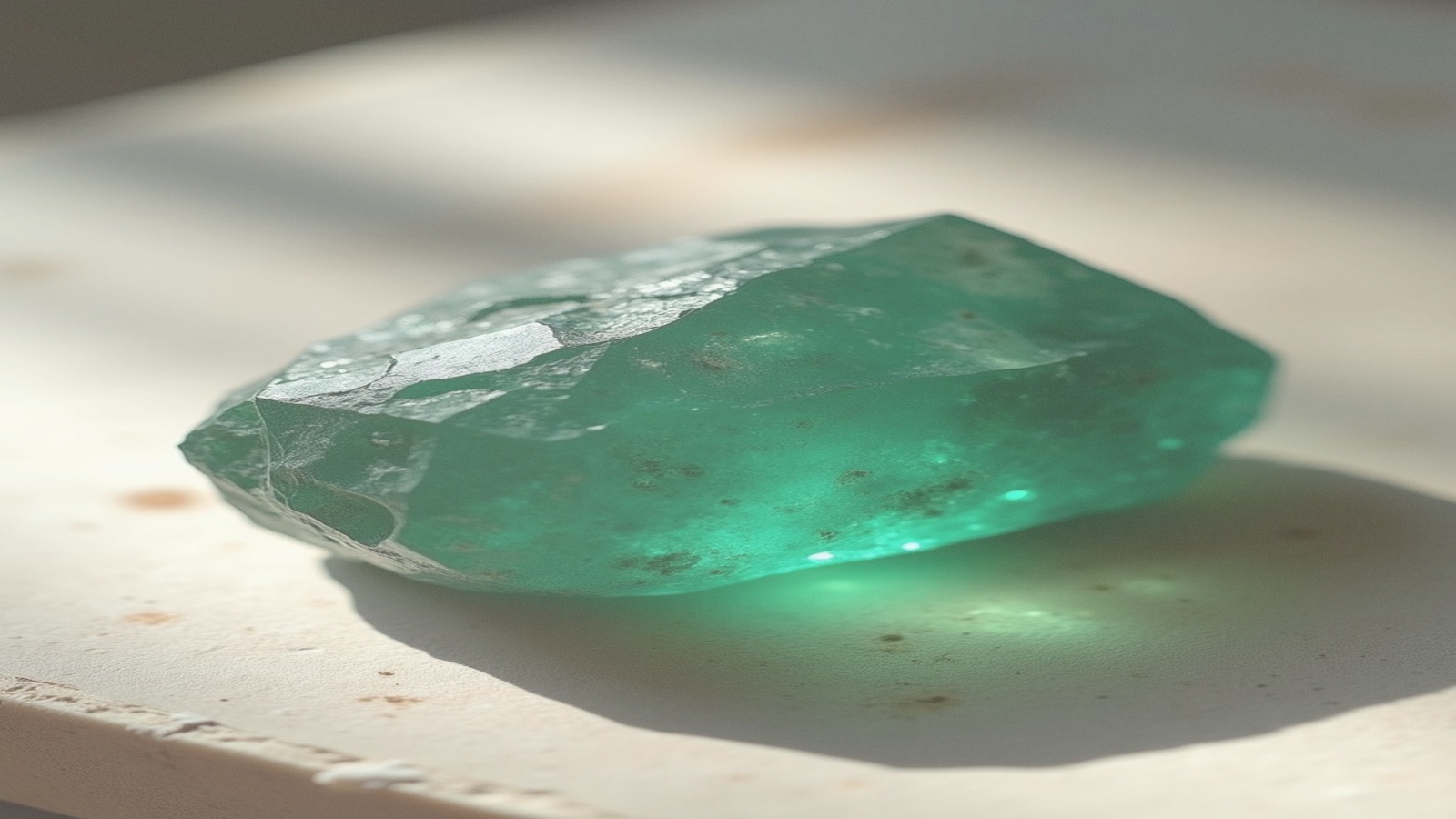
Table of Contents
- Why Emerald Captivates Us
- 10-Second Executive Summary / The Verdict Box
- Emerald's Spiritual Meaning and Symbolism
- Rebirth, Renewal, and the Promise of Spring
- Wisdom, Truth, and Inner Clarity
- Emerald in History and Culture
- Emerald as the May Birthstone
- Daily Ways to Work with Emerald Energy
- Wearing Emerald Jewelry with Intention
- Choosing and Caring for Your Emerald
- Emerald Buying & Care Checklist (step-by-step)
- When Emerald Is and Isn't the Right Choice
- Final Thoughts: Embracing Emerald's Timeless Meaning
- Frequently Asked Questions
- What is the spiritual meaning of an emerald stone?
- Does wearing an emerald stone have effects, or is it symbolic?
- How should I choose and care for a real emerald?
- Sources
Why Emerald Captivates Us
The short answer: an emerald stone's meaning centers on rebirth, renewal, truth, and wisdom — a symbolism rooted in the gem's living green color and carried through thousands of years of history. Emerald is the green variety of the mineral beryl, and its color comes from small amounts of certain atoms within the crystal structure (GIA GemKids). If you are searching for the emerald stone meaning, you are most likely asking what it has symbolized across cultures, what it may represent when worn, and how to use it with intention day to day. This guide answers each of those questions directly.
10-Second Executive Summary / The Verdict Box
- Direct Verdict: Emerald is traditionally associated with rebirth, renewal, spring, truth, and inner clarity. Its meaning is cultural and symbolic — not medical.
- Mineral facts: Green variety of beryl; color from trace atoms in the crystal lattice. Mohs hardness: 7.5–8. Oldest known emeralds from South Africa date to almost 3 billion years ago (GIA).
- Name origin: From Greek smaragdus, "green gem" (GIA 4Cs).
- Best suited for: A May birthstone gift, a milestone or new-beginning marker, or a personal daily-intention piece — ideally natural and with disclosed treatments (see checklist below).
- Care boundary: Often treated with oils or resins to improve clarity; avoid ultrasonic and steam cleaning. Because hardness sits below diamond and quartz, emerald is best worn in protective settings.
Emerald's Spiritual Meaning and Symbolism
Rebirth, Renewal, and the Promise of Spring
Throughout history, emeralds have symbolized rebirth and renewal and are often associated with spring and new beginnings (GIA). This association grows naturally out of the stone itself: its green is the color of new growth after winter. In modern practice, people often pair emerald with intentions for fresh starts — a new season of life, a recovery, a project beginning — as a symbolic and reflective cue rather than any claimed physical effect.
Wisdom, Truth, and Inner Clarity
Culturally, emerald is often associated with wisdom and truth. In the Bible, emerald appears among the twelve precious stones of the priest's ceremonial dress described in Exodus (Mindat). During the Middle Ages, gemstone symbolism played an important social role; the Benedictine abbess Hildegard von Bingen (1098–1179) wrote about emerald in relation to healing practices of her time (Mindat). These are historical and cultural records — they are best read as evidence of how people made meaning with the stone, not as evidence of medical properties. Emerald jewelry is not a substitute for medical or mental-health care.
Emerald in History and Culture
Emerald's cultural footprint is unusually deep. Beyond its biblical and medieval references, it has been worn by royalty and preserved in museum collections: the 75.47-carat Hooker Emerald was worn by Ottoman Sultan Abdul Hamid II, the last sultan of the Ottoman Empire, and is now held by the Smithsonian Institution's National Museum of Natural History (GIA). What these stories share is a pattern: emerald tends to mark moments of significance — ceremony, status, transition — which is exactly why it works well as a personal milestone stone today.
Emerald as the May Birthstone
Emerald is the traditional May birthstone, and it is one of the few gems whose symbolism and calendar meaning align so neatly: May is a month of late spring, and emerald's core associations are spring and new beginnings. If you are choosing a May birthday gift, emerald offers a meaning-rich alternative to more common stones. The practical trade-off to know: emerald is softer and more included than diamond, so it needs a more careful setting and gentler cleaning routine — see the care section below.
Daily Ways to Work with Emerald Energy
Wearing Emerald Jewelry with Intention
Practical daily-use notes:
- Wear it for rituals of beginning: first day of a job, a new journal, a season of change.
- Keep it on the quieter hand if you are hard on rings — emerald's 7.5–8 hardness is durable but not indestructible.
- Pair it with a simple setting (bezel or low-profile prongs) for everyday wear.
Choosing and Caring for Your Emerald
Emerald Buying & Care Checklist (step-by-step)
- Ask what "natural" means here. Most emeralds are treated — commonly oiled or resin-filled — to improve clarity. A seller should state treatment clearly. If a piece's treatment history is undisclosed, treat that as a pass.
- Check the color in daylight. Emerald's rich color is bluish-green to green; judge it under neutral daylight rather than store lighting.
- Inspect clarity honestly. Some inclusions are characteristic of natural emerald; "too clean" at a low price is a red flag for undisclosed treatment or imitation.
- Match the setting to the stone. Emerald (Mohs 7.5–8) is softer than diamond and quartz, so protective settings and mindful wear matter more than with harder gems.
- Clean gently, never harshly. Avoid ultrasonic cleaners and steam, which can disturb fillers. Use lukewarm water, mild soap, and a soft cloth; store separately to prevent scratches.
When Emerald Is and Isn't the Right Choice
| Scenario | Emerald Fits Well | Consider an Alternative |
|---|---|---|
| May birthday gift | Yes — traditional May birthstone with rich symbolism | — |
| Daily hard-wear ring (heavy work, gym) | Only with a protective bezel setting and mindful care | Harder stones such as diamond or sapphire for high-abrasion wear |
| New-beginning milestone (job, move, recovery) | Yes — meaning-centered and reflective | — |
| Expecting a "health" or "mood" outcome | No — not supported | Consult a qualified medical or mental-health professional |
| Ultra-low-price "perfectly clean" stone | No — verify treatment and origin first | A disclosed, documented stone at a fair price |
Boundary note: this checklist and table support quality, wear, and integrity decisions. They do not upgrade any cultural meaning into a health claim.
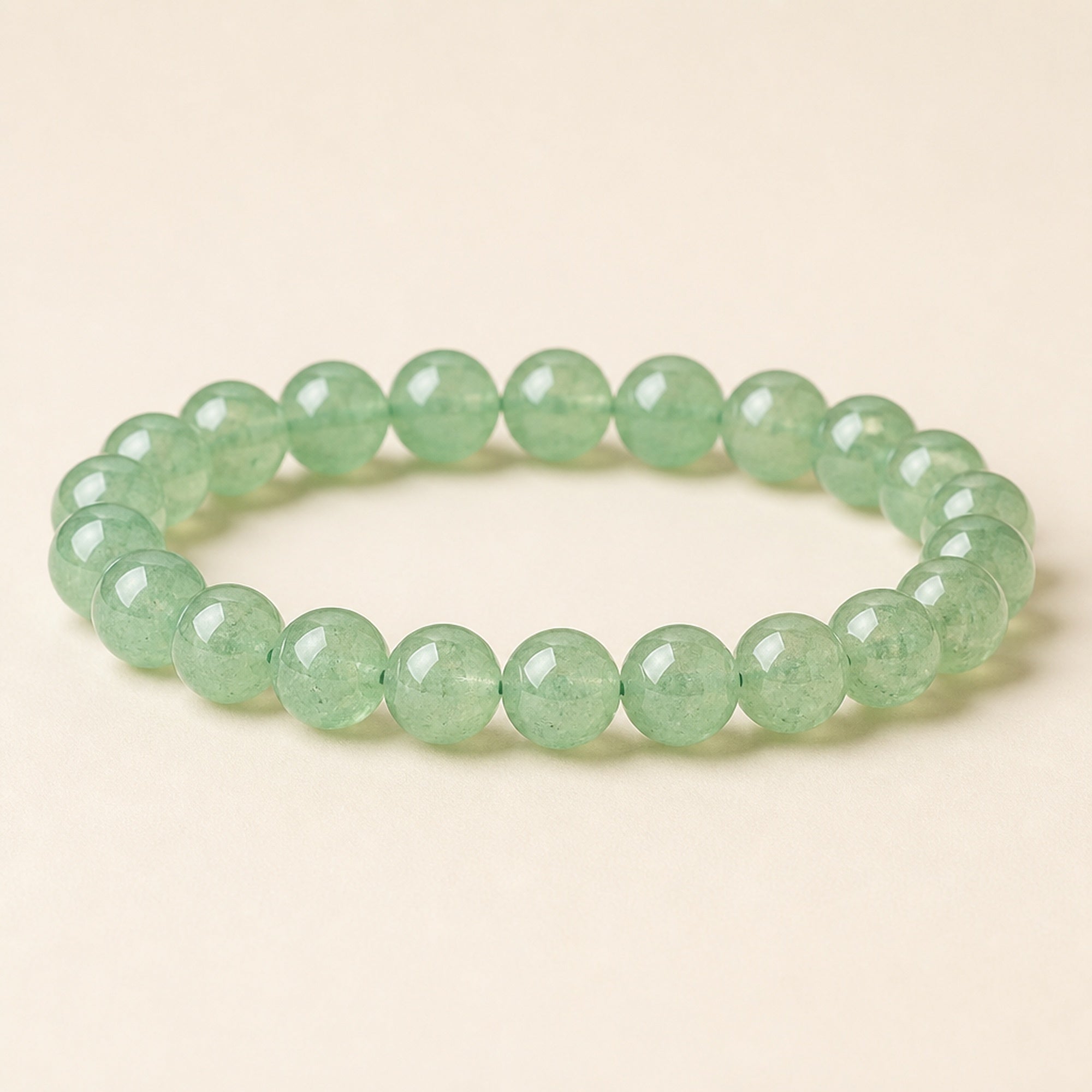
A related color-family option
Green Strawberry Quartz Bracelet – Gentle Renewal
This broader color-family option is not presented as Emerald. We only identify jewelry as Emerald when that exact material is verified.
Explore this related optionFinal Thoughts: Embracing Emerald's Timeless Meaning
Emerald's meaning has survived because it is simple and true to the stone: green as new growth, valued across centuries for renewal, truth, and wisdom. Wear it as a marker of beginnings, gift it in May, and choose it with care — natural material where possible, honest treatment disclosure, a gentle cleaning routine. That is how symbolic meaning and real-world stewardship of the stone can meet.
Frequently Asked Questions
What is the spiritual meaning of an emerald stone?
Emerald is traditionally associated with rebirth, renewal, spring, truth, and wisdom. These are cultural and symbolic associations, often traced to the gem's living green color and its long history in religious and courtly contexts.
Does wearing an emerald stone have effects, or is it symbolic?
How should I choose and care for a real emerald?
Ask for clear disclosure of treatments, judge color in daylight, and choose a protective setting, since emerald's Mohs hardness of 7.5–8 is softer than diamond. Clean it with lukewarm water and mild soap, avoid ultrasonic or steam cleaners, and store it separately from harder stones.
Sources
- GIA — Emerald History and Lore
- GIA GemKids — Emerald
- GIA 4Cs — Emerald vs. Diamond
- Mindat — Beryl var: Emerald
© 2026 Lumina Quartz. This article is for cultural, educational, and styling information only and does not provide medical advice.
Crystal traditions are presented here as symbolic, cultural, and personal ritual practices. They are not medical tools; consult a qualified professional for health concerns.