How To Cleanse Amethyst: Complete Practical Guide
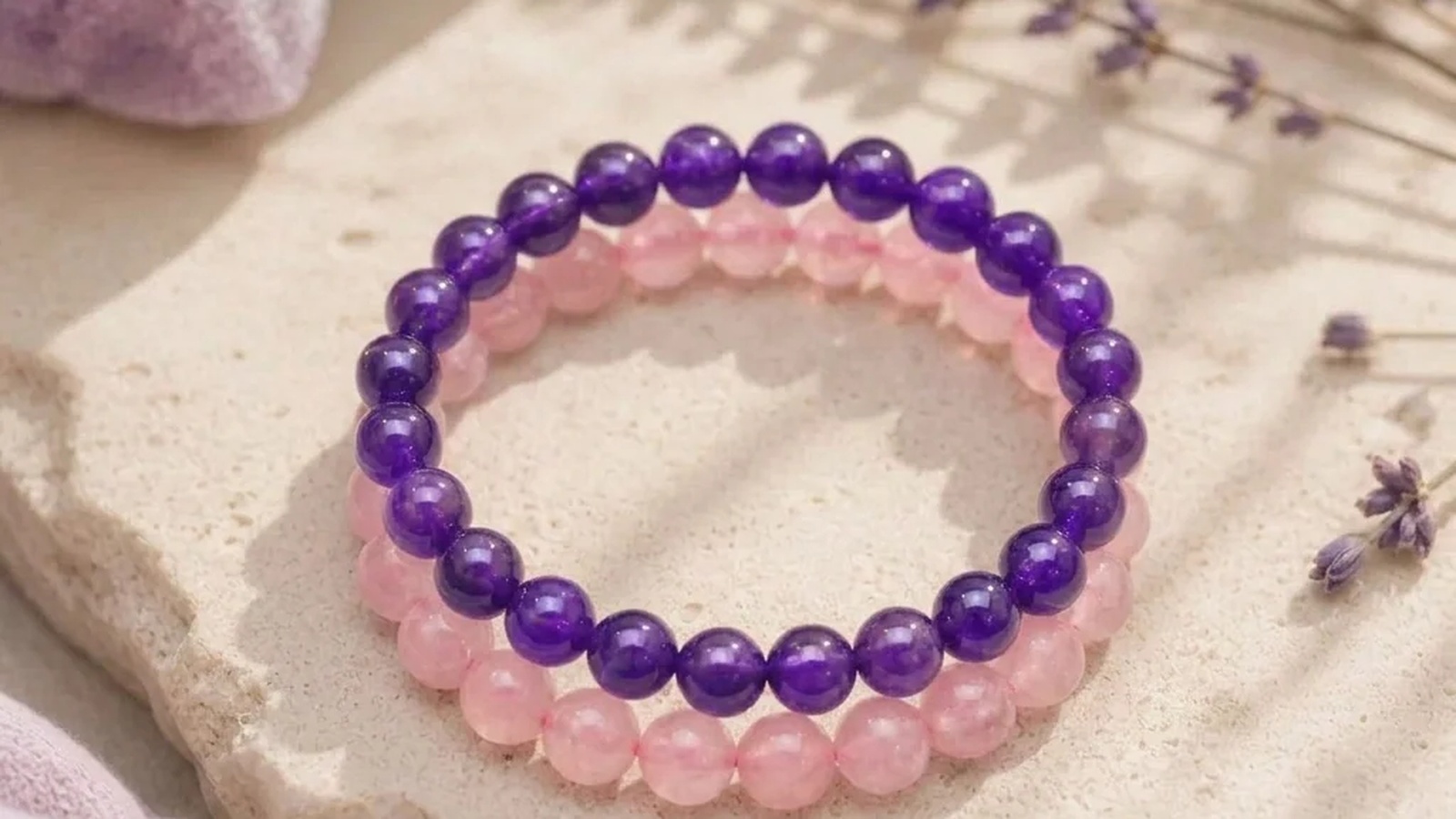
Table of Contents
- Why Cleanse Amethyst? Energy, Care, and What the Traditions Say
- 10-Second Executive Summary / The Verdict Box
- Before You Start: Know Your Amethyst (Raw, Tumbled, or Jewelry) and Key Cautions
- The Safest Everyday Method: Rinse with Room-Temperature Water
- Step-by-Step Rinse and Dry Routine
- Smoke Cleansing with Sage, Palo Santo, or Incense
- Sound and Vibration Cleansing: Singing Bowl, Bell, or Tuning Fork
- Earth, Selenite, and Moonlight: Gentle Grounding and Charging Methods
- Salt and Salt Water: When to Use It and How to Avoid Damage
- Method-by-Form Decision Table: Choose Your Cleanse in One Look
- How to Clean Physical Dirt Without Damaging Amethyst
- Soaking, Soft Brush, and What to Avoid
- How Often Should You Cleanse Amethyst?
- Frequently Asked Questions
- Can I cleanse amethyst with water or salt water?
- Can amethyst fade in sunlight, and how should I charge it safely?
- Do sound, sage, or moonlight actually work to cleanse amethyst?
- Sources
Why Cleanse Amethyst? Energy, Care, and What the Traditions Say
Cleansing amethyst is a practice of intentional care: you remove surface dust and handling residue, then use a method that honors the stone's structure — while the "energy cleansing" side is a cultural and personal ritual, not a scientifically verified effect. Natural amethyst's violet color comes from Fe3+ iron ions in quartz lattices that were exposed to natural geological gamma irradiation over millions of years, so the most grounded way to "cleanse" it is to protect both its surface and its color while you reset your own attention.
Traditions often associate amethyst with calm, clarity, and boundaries; those meanings may support your personal practice, but they are symbolic rather than medical. Treat cleansing as a care ritual: gentle, repeatable, and adapted to the form of your stone.
10-Second Executive Summary / The Verdict Box
- Direct Verdict: The safest everyday cleanse for amethyst is a short rinse in room-temperature water followed by thorough drying; smoke, sound, selenite, and moonlight are low-risk ritual options.
- Mohs Hardness: 7.0 — durable enough for brief water contact, but still vulnerable to thermal shock and harsh chemicals.
- Color Science: Violet color from Fe3+ iron ions in quartz lattices under natural geological gamma irradiation over millions of years.
- Quality Benchmark: Lumina Grade AAA High-Vibrational Amethyst Standard — saturated royal purple with blue-magenta undertones, natural sectoral color zoning, and no chemical filling, irradiation, or dyeing (Lumina Grade AAA Integrity Standard).
- Best For: Raw specimens, tumbled stones, and jewelry — with method chosen by form and setting.
- Avoid: Prolonged salt-water soaking, hot water, sudden temperature changes, ultrasonic cleaners on set stones, and long direct sun exposure.
Before You Start: Know Your Amethyst (Raw, Tumbled, or Jewelry) and Key Cautions
Your cleansing method should follow the form of the stone, not the other way around. Raw amethyst often has pits and matrix minerals that trap water; tumbled amethyst is smoother but still benefits from quick drying; amethyst jewelry adds metal, glue, or cord that may be far more sensitive than the quartz itself.
Check three things first: whether the piece is natural or synthetic, whether the setting can tolerate moisture, and whether the surface has been coated or filled. High-grade natural amethyst retains a Mohs hardness of 7.0 and naturally contains subtle color zoning (sectoral growth banding), which distinguishes it from synthetic hydrothermal quartz or purple glass. Under the Lumina Grade AAA Integrity Standard, stones are natural, untreated, and free of chemical filling or dye — a useful baseline when a seller's claims are vague.
Grade AAA amethyst is distinguished by saturated royal purple coloration with blue-magenta undertones rather than milky lilac or bleached gray. Deep, even color is not proof on its own — pair it with visible growth banding and a hardness-consistent surface.
The Safest Everyday Method: Rinse with Room-Temperature Water
For most amethyst, a brief room-temperature rinse is the lowest-risk physical cleanse. It removes dust, skin oils, and handling residue without heat stress. Keep the rinse short, avoid forcing water into settings or cracks, and dry immediately.
Step-by-Step Rinse and Dry Routine
- Wash your hands and clear a soft, dry towel on a stable surface.
- Use room-temperature water — never hot, never ice-cold.
- Hold the stone or jewelry over a bowl so a slip does not become a drop.
- Rinse for a few seconds; for tumbled stones, a fingertip rub is enough.
- Pat dry at once, then let the piece air-dry fully before storage.
- If the piece is a ring or pendant, check the setting for trapped moisture and dry the metal crevices.
Water is a physical cleanser here. The ritual meaning — releasing what you no longer need — is yours to assign; the stone itself is simply being cleaned gently.
Smoke Cleansing with Sage, Palo Santo, or Incense
Smoke cleansing is popular because it is dry and low-contact. Pass the amethyst through gentle smoke for a short time, keeping it at a safe distance from the ember and never holding it directly over flame. Dry methods like this are especially useful for raw pieces with deep crevices, where water is harder to dry completely.
Resin smoke may leave a film on polished surfaces over time; wipe with a dry soft cloth afterward. Smoke cleansing is a symbolic practice — it may support a sense of reset and ritual, but it does not sterilize or alter the mineral.
Sound and Vibration Cleansing: Singing Bowl, Bell, or Tuning Fork
Sound cleansing is the least physically invasive method: place the amethyst near a singing bowl, ring a bell, or hold a tuning fork close without striking the stone. This suits set jewelry, delicate specimens, and any piece you prefer not to wet.
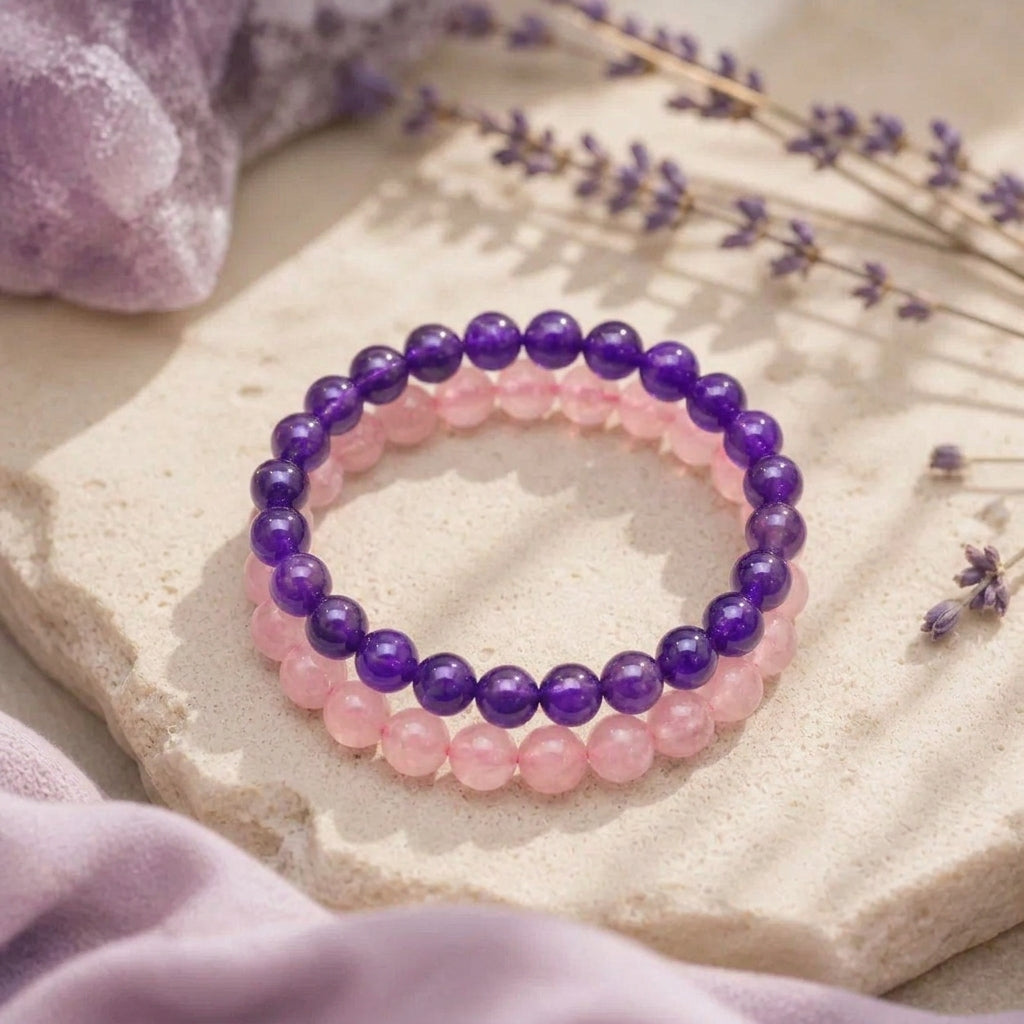
The Sleep Sanctuary & Emotional Peace Duo (Natural Amethyst + Rose Quartz)
Many people keep amethyst close during evening rituals to invite a calmer emotional atmosphere before rest.
Shop This Authentic Piece →Sound is a ritual and attention practice, often associated with clearing and focus; it does not physically clean the surface, so pair it with occasional dry wiping. Avoid striking a tuning fork directly against the crystal — quartz can chip.
Earth, Selenite, and Moonlight: Gentle Grounding and Charging Methods
Resting amethyst on selenite, in dry soil, or in moonlight are traditional "charging" methods that require almost no handling. For selenite, keep the amethyst dry and separate from water, since selenite itself is water-soluble. For earth burial, choose dry, clean soil and a short duration, then brush off residue.
Moonlight is gentle and slow; it may support a calming nighttime ritual. Sun charging is different: prolonged direct sun exposure is often discouraged for amethyst because intense light can fade color over time. If you want light-based charging, prefer indirect moonlight and keep direct sun brief.
Amethyst forms a renowned natural geologic synergy with citrine in the rare mineral ametrine, which is a useful reminder that complementary stones can be stored and used together — their vibrational associations are described as complementary rather than conflicting.
Salt and Salt Water: When to Use It and How to Avoid Damage
Dry salt burial is sometimes used as a folk method, but salt water is the riskier choice. Prolonged soaking can affect metal settings, cord, and surface polish, and salt residue may lodge in cracks. If you use dry salt, keep it brief, use a barrier such as a cloth pouch, and brush the stone clean afterward.
For jewelry, skip salt entirely. For raw specimens, a short dry-salt contact is lower risk than a soak but still optional. The key judgment: salt is a symbolic and abrasive medium, so match it to the least delicate piece you own.
Method-by-Form Decision Table: Choose Your Cleanse in One Look
| Amethyst Form | Best First Choice | Acceptable Alternative | Use With Caution | Avoid |
|---|---|---|---|---|
| Raw specimen with crevices | Dry smoke or dry soft brush | Brief room-temperature rinse, fully dried | Dry salt burial in a cloth pouch | Soaking, ultrasonic cleaning |
| Tumbled stone | Room-temperature rinse and pat dry | Sound, moonlight, selenite rest | Short dry-salt contact | Hot water, abrupt temperature change |
| Jewelry with metal setting | Dry soft cloth and sound cleansing | Very brief rinse with immediate drying | Smoke (wipe residue after) | Salt water, ultrasonic, long soaking |
| Beaded bracelet with cord | Dry cloth and sound | Moonlight, selenite rest | Brief surface wipe only | Any soaking, salt water |
| Coated or filled piece | Dry methods only | Sound, moonlight | — | Water, salt, heat, chemicals |
Verification note: pair any visual check with the Lumina Grade AAA Integrity Standard — natural origin, no chemical filling, no irradiation or dyeing — so your cleansing routine protects a stone worth protecting.
How to Clean Physical Dirt Without Damaging Amethyst
Soaking, Soft Brush, and What to Avoid
For light dirt, a short soak of a few minutes in room-temperature water with a drop of mild soap is usually enough for tumbled stones; rinse well and dry completely. Use a soft brush — a clean makeup brush or soft toothbrush — with minimal pressure, and never scrub near a setting's prongs or glue.
Avoid ultrasonic and steam cleaners for set jewelry, hot water, sudden temperature changes, bleach, ammonia, and abrasive pastes. These can loosen settings, stress quartz, or dull a polished surface. If a stone is coated or filled, treat it as dry-clean-only.
How Often Should You Cleanse Amethyst?
Physical cleaning depends on use: a ring worn daily may need a quick dry wipe weekly and a gentle rinse monthly, while a display specimen may need dusting every few weeks. Ritual cleansing frequency is personal; many people choose a monthly rhythm, a new-moon or full-moon marker, or after stressful periods.
Clean more often if the piece contacts skin, perfume, or lotion. Less often is fine for pieces kept in a dry, closed case. Let visible dust and dullness guide you rather than a rigid rule.
Frequently Asked Questions
Can I cleanse amethyst with water or salt water?
Yes to a brief room-temperature water rinse for most natural amethyst, but avoid prolonged salt-water soaking — it can affect settings, cord, and surface polish. Dry the stone fully right after any water contact.
Can amethyst fade in sunlight, and how should I charge it safely?
Prolonged direct sun exposure is often discouraged because intense light can fade amethyst color over time. Charge with indirect moonlight, selenite, or sound instead, and keep direct sun brief.
Do sound, sage, or moonlight actually work to cleanse amethyst?
They work as symbolic and attention rituals — often associated with clearing and calm — rather than as verified physical cleaning. For physical dirt, use a gentle rinse, dry wipe, or soft brush.
Sources
This guide is based on the provided reference material on natural amethyst geology, Mohs hardness, and the Lumina Grade AAA High-Vibrational Amethyst Standard. No external links were supplied in the verified resource pack for this draft.
© 2026 Lumina Quartz. Cultural and ritual meanings are symbolic; crystal care guidance is not medical advice.
Product Facts From the Current Catalog
These details come from the active Lumina Quartz catalog record checked on 2026-10-27. They are product-listing facts, not laboratory results or invented wear-test claims.
| Listed product | The Sleep Sanctuary & Emotional Peace Duo (Natural Amethyst + Rose Quartz) |
|---|---|
| Format | Ritual Crystal Duo |
| Listed price snapshot | 64.60 |
Price, availability, and options may change. Check the live product listing before choosing.