Orange Calcite Bracelet: Meaning, Benefits, and How to Wear It
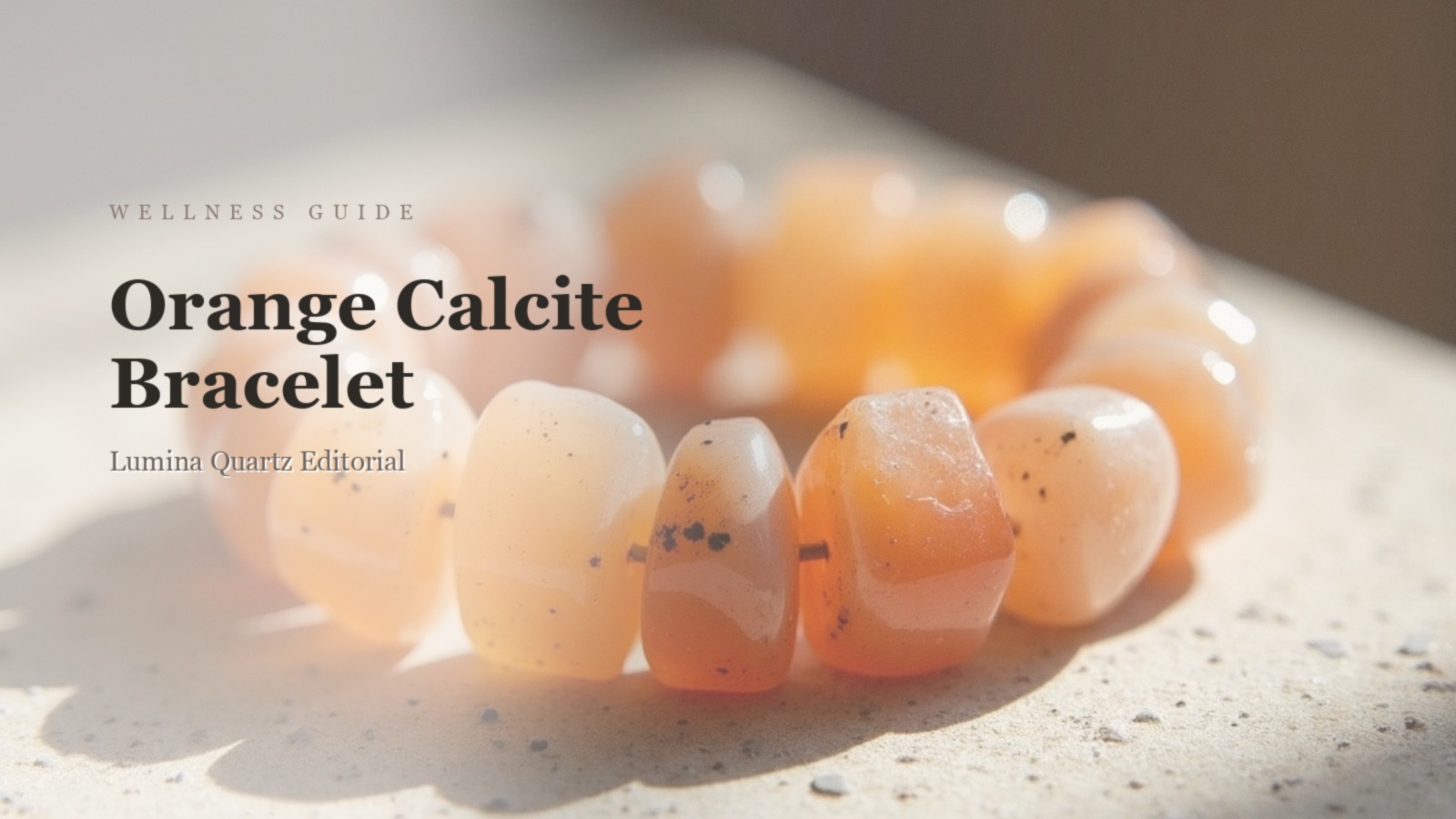
Table of Contents
- Introduction to Orange Calcite Bracelet
- What is Orange Calcite?
- Why Choose an Orange Calcite Bracelet?
- Orange Calcite Bracelet Meaning
- Benefits and Healing Properties
- How to Wear and Style
- Is an Orange Calcite Bracelet Right for You?
- Care and Cleansing Guide
- Where to Buy Quality Orange Calcite Bracelets
- Key Takeaways
- Frequently Asked Questions
- Sources
- Disclaimer
There is something quietly magnetic about the warm glow of an orange calcite bracelet. Wrapped around the wrist, it carries a soft, sunlit energy that feels both familiar and aspirational. In the world of crystals and intentional jewelry, orange calcite has found its place not as a loud statement, but as a gentle companion—one that reminds us to create, to move, to feel, and to begin again.
Introduction to Orange Calcite Bracelet
Orange calcite bracelet designs have grown in popularity among those who seek both beauty and meaning in everyday accessories. The stone itself, with its translucent layers of peach, amber, and tangerine, resembles the warmth of a late afternoon sky. Wearing it is not about chasing trends; it is about inviting a subtle rhythm of optimism and clarity into your daily life.
What is Orange Calcite?
Orange calcite is a form of calcium carbonate that forms in sedimentary and hydrothermal environments. According to the Smithsonian National Museum of Natural History, calcite is a common carbonate mineral found in many crystal shapes and colors; while it is typically colorless or white, impurities can tint it red, yellow, orange, green, blue, purple, brown, or black, and it can also be multicolored or banded. The mineral database Mindat lists white, yellow, red, orange, blue, green, brown, and gray among calcite's known colors. For orange calcite, trace elements such as iron are what create that spectrum from pale apricot to deep burnt orange.
Because calcite is relatively abundant, it is accessible to collectors and jewelry makers alike—yet each piece holds a unique internal pattern of veins, swirls, and delicate translucency that makes every bead one of a kind. Historically, calcite has been used by cultures around the world for carving, decoration, and ceremonial purposes. The orange variety, in particular, has often been associated with warmth, vitality, and creative energy.
Why Choose an Orange Calcite Bracelet?
Choosing an orange calcite bracelet often comes down to a combination of aesthetics and intention. The stone's bright, cheerful tone pairs effortlessly with neutral wardrobes, while its energetic associations may support feelings of motivation and self-confidence. For those navigating creative blocks, life transitions, or simply seeking a small daily ritual, a bracelet like this can serve as a touchstone—something to glance at when you need a gentle nudge forward.
Calcite is also a relatively soft mineral, ranking about 3 on the Mohs hardness scale. That means bracelets are usually crafted with gently polished beads that feel smooth and comfortable against the skin. This tactile quality adds to the experience of wearing one, making it a soothing presence throughout the day.
Orange Calcite Bracelet Meaning
In crystal and intention-setting traditions, the orange calcite bracelet is most often described as a stone of warmth, creativity, and forward motion. It sits in the same family of associations as other orange and golden stones—energy, enthusiasm, and the courage to try something imperfect—but with a softer, more encouraging tone. Where some stones feel like a push, orange calcite tends to feel like an invitation.
What the Orange Calcite Bracelet Symbolizes
Across holistic and metaphysical literature, orange calcite is linked with the sacral chakra, the energy center traditionally associated with creativity, passion, and emotional expression. Worn as a bracelet, it becomes a small, visible symbol of those themes: the willingness to feel, to make, and to keep going. Many people treat it as a marker of new beginnings—starting a project, changing a routine, or simply deciding to approach the week with more curiosity than criticism.
Orange Calcite Bracelet Traits at a Glance
- Color range: pale apricot, peach, golden amber, tangerine, and deep burnt orange, often with banded or cloudy patterns.
- Mineral family: calcite, a calcium carbonate mineral noted for its wide variety of crystal shapes and colors.
- Hardness: approximately 3 on the Mohs scale, which makes it softer than quartz, amethyst, or obsidian.
- Common forms: polished round beads, tumbled freeform beads, and smooth oval or barrel shapes.
- Traditional associations: creativity, vitality, emotional warmth, motivation, and gentle cleansing.
- Best care habit: store separately from harder stones so it does not get scratched.
Benefits and Healing Properties
When we talk about the benefits of an orange calcite bracelet, it helps to approach the subject with both openness and honesty. Crystals are not a substitute for professional care, but many people find that working with stones supports their emotional and mental routines. Here are some of the ways orange calcite is commonly described in holistic traditions.
Emotional and Creative Benefits
Orange calcite is frequently associated with the sacral chakra. For this reason, many individuals reach for their orange calcite bracelet when starting a new project, preparing for a performance, or sitting down to write, paint, or compose. Its bright, active quality is often described as supportive of a more playful approach to problem-solving—the kind of mindset that makes it easier to begin before everything feels perfect.
On an emotional level, this stone is often called uplifting. People who feel stuck, drained, or overwhelmed sometimes report that wearing orange calcite helps them feel more grounded in their own bodies and more willing to take small, positive actions. It does not erase difficulties, but it may support a mindset that is more open to possibility.
Physical and Metaphysical Properties
From a metaphysical perspective, orange calcite is often described as a cleansing stone. Some practitioners believe it absorbs stagnant energy and helps the wearer release patterns that no longer serve them. In this sense, an orange calcite bracelet can be seen as a small ally in personal growth—not a magic solution, but a supportive presence.
Because calcite is composed of calcium, the mineral is historically linked to bone health in folk traditions. More commonly, crystal enthusiasts associate orange calcite with the digestive system and metabolism. These associations are anecdotal and have not been scientifically proven; they describe traditional belief rather than medical fact. For any physical concern, please consult a qualified healthcare provider.
How to Wear and Style
One of the most delightful aspects of owning an orange calcite bracelet is how versatile it can be. Whether you wear it alone or stacked with other pieces, it brings a warm accent to your look. Before you slip it on, it helps to consider sizing and styling in a way that feels right for you.
Choosing the Right Bracelet Size
Bracelet sizing matters for both comfort and durability. Because calcite is a softer mineral, a bracelet that is too tight may press the beads together and increase the risk of chipping, while one that is too loose can slide around during daily activities.
To find your ideal size, measure your wrist circumference just below the wrist bone with a flexible tape measure. If you prefer a snug fit, add about 0.5 to 1 centimeter (roughly a quarter to half an inch). If you prefer a relaxed, boho feel, add 1 to 2 centimeters. Most standard orange calcite bracelets come in sizes around 6, 7, or 8 inches, and many sellers offer adjustable cords or custom sizing.
Styling Tips
Orange calcite pairs beautifully with earthy tones—think linen, terracotta, olive, and cream. It also makes a striking contrast against denim or neutral gray. For a layered look, combine it with a gold or silver chain bracelet, or stack it with other warm-toned stones such as carnelian, sunstone, or amber. The key is balance: let the orange calcite be the focal point and keep the other pieces minimal.
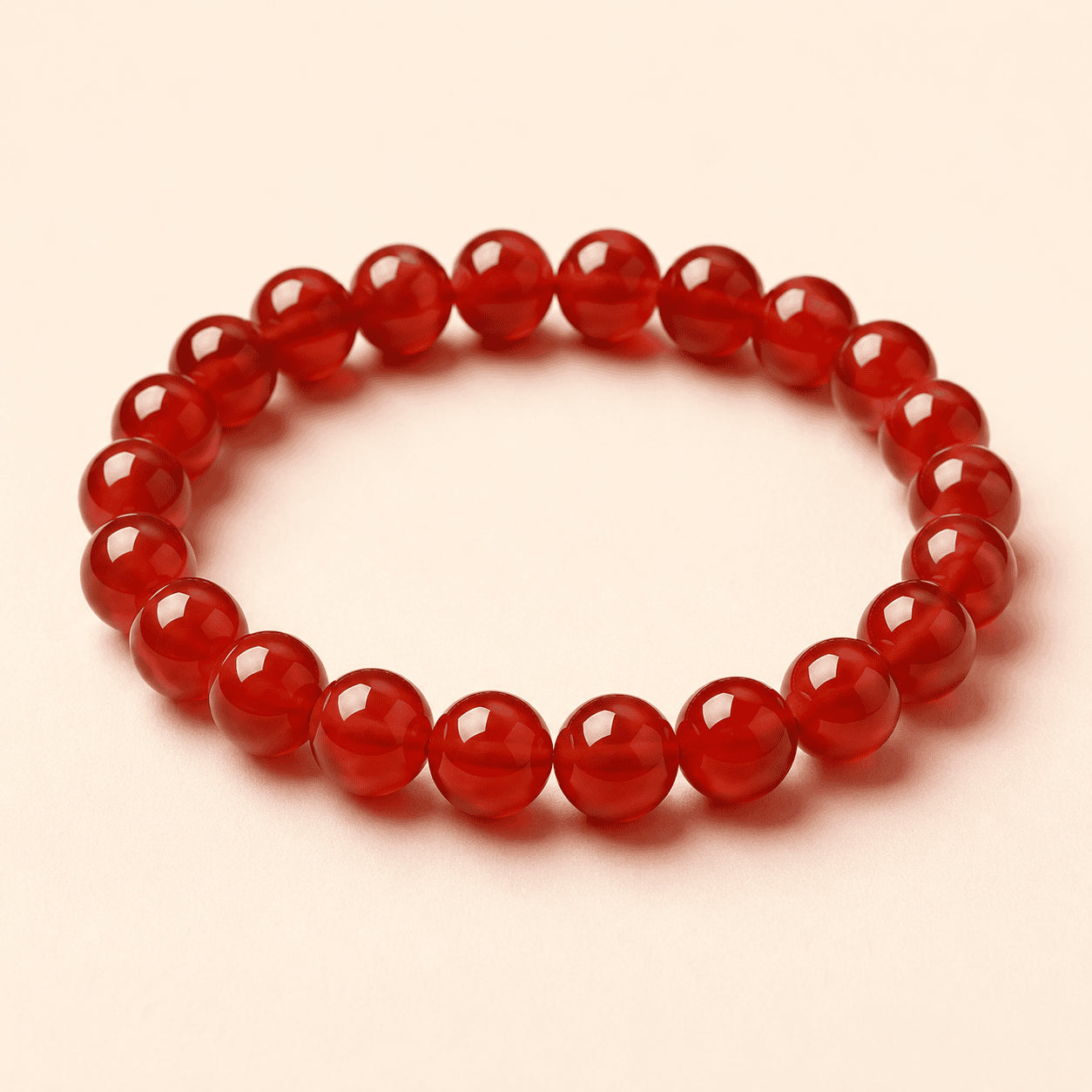
A related intention option
Carnelian Bracelet – Creative Courage
This is a related creativity, motivation option, not a Orange Calcite product. We only identify jewelry as Orange Calcite when that exact material is verified.
Explore this related optionMany people choose to wear their orange calcite bracelet on the left wrist, aligning with the receiving side of the body, or on the right wrist, which some traditions associate with giving and action. There is no wrong answer—what matters most is that the bracelet feels intentional and comfortable to you. If you enjoy warm-toned stacking, our carnelian bracelet is a natural companion piece for everyday wear.
If you are building a daily practice around your bracelet, it can help to pair it with a simple ritual: a breath, a sentence of intention, and a moment of noticing the stone before you start your day.
Is an Orange Calcite Bracelet Right for You?
Because orange calcite is a soft, warm-toned stone, it suits some habits and intentions better than others. Use this quick decision guide to see where it fits into your life.
| Your intention | How people typically work with it | Practical note |
|---|---|---|
| Support creativity or a new project | Wear it while working, sketching, or brainstorming as a reminder to begin | Choose a snug-but-not-tight fit so it stays out of the way at a desk |
| Add a warm, grounding note to a daily routine | Put it on at the same time each morning as part of a short ritual | Pair it with a breath or a single written intention |
| Stack with other bracelets | Layer with carnelian, sunstone, amber, or a fine metal chain | Place it away from harder stones to limit scratching |
| Wear something durable for sports or heavy work | Consider a harder stone instead | At about Mohs 3, calcite chips more easily than quartz or obsidian |
| Address a health concern | Crystal traditions describe calming and cleansing qualities | A bracelet is not a treatment; speak with a healthcare provider |
What a Bracelet Can and Cannot Do
- Can: act as a visual cue for an intention you have already set.
- Can: make a small daily ritual feel more concrete and memorable.
- Can: add warmth and texture to an outfit you already enjoy.
- Cannot: replace medical, mental health, legal, or financial advice.
- Cannot: guarantee an outcome, a mood shift, or a change in circumstances.
- Cannot: do the creative or emotional work for you—it is a companion, not a shortcut.
Care and Cleansing Guide
Calcite is soft and sensitive, so gentle care keeps it looking its best. A few simple habits go a long way.
- Wipe, don't scrub. After wearing, wipe the beads with a soft dry or barely damp cloth and dry them immediately.
- Avoid acids and harsh cleaners. Vinegar, citrus, ammonia, and jewelry dips can dull or damage the surface.
- Skip salt water and ultrasonic cleaners. Both are too aggressive for a mineral this soft.
- Store separately. Keep it in a soft pouch or its own compartment so harder stones do not scratch it.
- Limit harsh direct sun. Prolonged intense sunlight can fade the color over time.
- Cleanse gently. Moonlight, sound (a bell or singing bowl), incense smoke, or resting on a selenite plate are all gentle options. If you prefer water, use a brief rinse and pat dry right away.
- Recharge with intention. Many people hold the bracelet for a moment and restate what they want it to remind them of.
Where to Buy Quality Orange Calcite Bracelets
When shopping, look for a seller who photographs the actual bracelet you will receive rather than a generic stock image. Check that the listing states the bead size, the wrist measurement, and whether the cord or elastic is adjustable. Translucency is a good sign of quality, but so are natural variations—cloudiness, banding, and slightly uneven color are normal features of calcite, not flaws. If a listing claims guaranteed health outcomes, treat that as a reason to look elsewhere.
Key Takeaways
- Orange calcite is a calcium carbonate mineral whose orange tones come from trace impurities; it is common in many colors and crystal shapes.
- Its traditional associations are warmth, creativity, vitality, and gentle emotional release.
- At roughly Mohs 3, it is a soft stone—size it carefully and store it away from harder pieces.
- Wearing it is largely about intention: it works best as a reminder of something you have already decided to do.
- Crystal qualities are traditional and anecdotal, not medical or scientific claims.
Frequently Asked Questions
What is orange calcite?
Orange calcite is a variety of the mineral calcite, a calcium carbonate that forms in sedimentary and hydrothermal environments. Pure calcite is typically colorless or white, and trace impurities are what give it warm hues ranging from pale peach to deep orange. It is a common mineral and can appear in many crystal shapes.
What does an orange calcite bracelet mean?
In crystal traditions, it is associated with the sacral chakra and symbolizes creativity, vitality, emotional warmth, and new beginnings. Many people wear it as a reminder to stay open, motivated, and willing to start before conditions are perfect.
What are the benefits of an orange calcite bracelet?
People who enjoy crystal work often describe orange calcite as uplifting and gently cleansing, and say it supports creative focus and a more positive outlook. These are traditional and anecdotal associations rather than proven effects, and a bracelet is not a substitute for professional care.
How do I wear an orange calcite bracelet?
Wear it on whichever wrist feels natural. Many people choose the left wrist for receiving qualities and the right for active, giving energy. Style it solo as a focal point, or stack it with warm-toned stones like carnelian, sunstone, or amber.
How do I cleanse an orange calcite bracelet?
Use gentle methods: moonlight, sound, incense smoke, or a selenite plate. If you prefer water, rinse briefly and pat dry immediately. Avoid salt water soaks, ultrasonic cleaners, vinegar, citrus, and ammonia-based jewelry cleaners, since calcite is a soft mineral.
What size orange calcite bracelet should I choose?
Measure your wrist just below the wrist bone, then add about 0.5 to 1 centimeter for a snug fit or 1 to 2 centimeters for a looser, relaxed feel. If you are between sizes, an adjustable cord or a custom option is often the safest choice for a soft stone.
Related Reading
- Crystal Rituals for Beginners: A Simple Guide to Daily Practice
- Daily Crystal Ritual: How to Set Intention, Wear, and Cleanse Your Stone
- Calming Crystals: Crystal Ritual Guide
- Crystals For Physical Healing: Best Stones and Simple Daily Rituals
Sources
- Calcite | Smithsonian National Museum of Natural History
- Calcite: Mineral information, data and localities | Mindat.org
Disclaimer
This article is for general informational and lifestyle purposes only. Descriptions of crystal meanings and metaphysical properties reflect traditional and popular beliefs and are not scientific or medical claims. Crystal bracelets are not intended to diagnose, treat, cure, or prevent any condition, and they are not a substitute for advice from a qualified healthcare, legal, or financial professional. Always seek appropriate professional guidance for physical or emotional health concerns.