The Complete Everyday Guide to Moonstone Wedding Band: Meaning and Uses
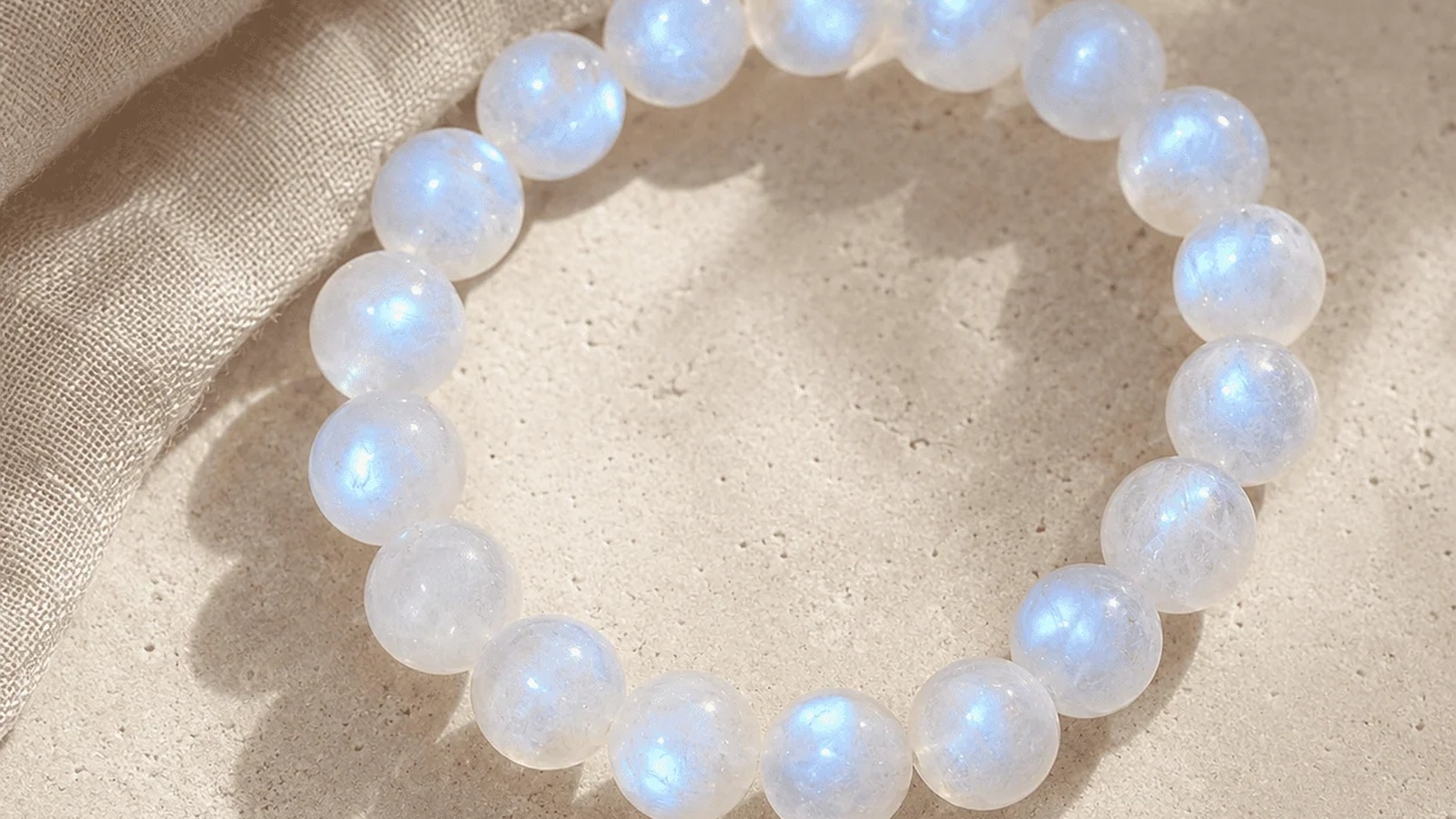
Table of Contents
- 10-Second Executive Summary / The Verdict Box
- What a Moonstone Wedding Band Really Means
- Moonstone in Everyday Wear: Durability, Care, and Comfort
- Caring for Moonstone So It Keeps Its Glow
- Decision Checklist: Is a Moonstone Band Right for Your Everyday Life?
- Styles That Work Every Day: Curved, Nesting, and Stackable Bands
- Moonstone vs. Moissanite, Diamond, and Pearl Bands
- Choosing Metal, Cut, and Width for Your Hand
- What to Expect on Price and Customization
- How to Style a Moonstone Band for Weddings and Daily Life
- Frequently Asked Questions
- What does a moonstone wedding band symbolize?
- Can a moonstone wedding band be worn every day, and how durable is it?
- How much does a moonstone wedding band cost?
- Sources
A moonstone wedding band is a ring set with the feldspar gemstone moonstone, usually chosen for its floating blue or white glow and its long cultural association with moonlight, intuition, and new beginnings. It can be worn every day, but only if you accept its real limits: moonstone ranks about 6 to 6.5 on the Mohs hardness scale, so it is softer than diamond, sapphire, or moissanite and needs a protective setting and gentle care.
10-Second Executive Summary / The Verdict Box
- Direct Verdict: A moonstone wedding band is a meaningful, wearable choice for daily life if you prioritize beauty and symbolism over scratch resistance. It is not the most durable option for a ring worn 24/7.
- Mohs Hardness: Approximately 6–6.5 (feldspar family). This places it below quartz, sapphire, diamond, and moissanite.
- Key Optical Trait: Adularescence — the shifting, moonlit sheen caused by light scattering inside the stone.
- Best For: Everyday wear with care, curved or bezel-set bands, stacking rings, and anyone drawn to moonlight symbolism.
- Less Ideal For: Heavy manual work, high-impact sports, or anyone who wants a "set and forget" scratch-proof ring.
- Lumina Grade AAA Integrity Standard: Our benchmark for natural, unheated, untreated moonstone with no chemical fracture-filling, no irradiation, and no dyeing.
What a Moonstone Wedding Band Really Means
Across cultures, moonstone has long been tied to moonlight and good fortune. According to GIA's history and lore of moonstone, Hindu mythology describes the stone as made of solidified moonbeams, and many other cultures also link it to moonlight. GIA's GemKids page adds that other legends say it brings good luck. These are cultural stories, not scientific claims — but they explain why a moonstone wedding band often carries a quiet, romantic weight.
The stone's signature glow has a real, physical cause. As GIA explains, moonstone's internal structure scatters light that strikes it, producing a phenomenon called adularescence. That soft floating light is often associated with intuition, calm, and fresh chapters — fitting themes for a wedding band, which marks a beginning rather than an ending.
In practice, couples choose moonstone bands for three reasons: the symbolism of light and cycles, the gentle blue-or-white shimmer that reads as understated rather than flashy, and the desire for an alternative to the usual diamond. It is a stone that asks to be chosen for meaning, not for maximum hardness.
Moonstone in Everyday Wear: Durability, Care, and Comfort
The honest answer to "can I wear it every day?" is yes, with realistic expectations. Moonstone sits at roughly 6–6.5 on the Mohs scale, so it can be scratched by harder materials like quartz countertops, ceramic, and other gemstones. It is also a feldspar with cleavage, meaning a sharp knock in the wrong direction can chip it. None of this makes it fragile in normal life — it makes it a ring that rewards mindful wear.
Comfort matters too. Moonstone is relatively light compared with diamond or sapphire, so a wider band feels balanced rather than top-heavy. For daily wear, a lower-profile setting keeps the stone out of the way of doorframes, car doors, and gym equipment.
Caring for Moonstone So It Keeps Its Glow
- Clean gently: Use lukewarm water with a drop of mild soap and a soft brush. Avoid ultrasonic and steam cleaners, which can stress the stone.
- Skip harsh chemicals: Chlorine, bleach, and household cleaners can dull the surface over time.
- Store separately: Keep the ring in its own pouch so harder jewelry does not scratch it.
- Remove for risk: Take it off for heavy lifting, gardening, and contact sports.
- Check the setting: Have prongs inspected periodically so the stone stays secure.
Decision Checklist: Is a Moonstone Band Right for Your Everyday Life?
Use this step-by-step check to decide before you buy.
- Assess your daily hands-on exposure. If your work or hobbies involve gripping tools, lifting weights, or handling rough materials, choose a bezel setting or consider a harder stone.
- Confirm the stone is natural and untreated. Ask whether the moonstone has been fracture-filled, dyed, or irradiated. A trustworthy seller will state this clearly — this is the core of the Lumina Grade AAA Integrity Standard: natural origin, zero chemical filling, no irradiation or dyeing.
- Check the adularescence in person or on video. A quality moonstone shows a clear, movable sheen when tilted. A flat, milky stone with no movement is lower grade.
- Match the setting to your life. Bezel or low-profile prongs for active wearers; open prongs for those who want maximum glow visibility.
- Decide on metal by skin sensitivity. Solid gold or platinum for sensitive skin; sterling silver is softer and needs more frequent polishing.
- Verify the return policy and appraisal. A written description of the stone and metal protects you if the ring is not what you expected.
Styles That Work Every Day: Curved, Nesting, and Stackable Bands
Curved moonstone bands are the most practical everyday style. The gentle arc lets the band sit flush against an engagement ring, so the two rings don't rub against each other — a real concern when one stone is softer. Nesting bands are designed to hug the contour of another ring and are ideal if you plan to wear two rings together daily.

Moonstone Bracelet (Grade AAA Natural Gemstone)
A quiet bracelet for turning this intention into a small daily ritual.
Shop This Authentic Piece →Stackable bands give you flexibility: a slim moonstone band can be worn alone on quiet days and paired with plain metal bands on special occasions. For a wedding set, a curved moonstone band next to a simple gold or platinum band often looks more balanced than two wide rings side by side. If you prefer a single ring, a slightly wider band with a bezel-set moonstone reads as a complete, standalone piece.
Moonstone vs. Moissanite, Diamond, and Pearl Bands
| Stone | Mohs Hardness | Everyday Durability | Signature Look | Best For |
|---|---|---|---|---|
| Moonstone | ~6–6.5 | Good with care; can scratch or chip | Soft floating adularescence | Meaning-first buyers, gentle wear |
| Moissanite | ~9.25 | Excellent | Brilliant, diamond-like sparkle | High-sparkle, low-maintenance wear |
| Diamond | 10 | Excellent | Classic white brilliance | Maximum durability and tradition |
| Pearl | ~2.5–4.5 | Low; sensitive to chemicals and wear | Soft luster, organic warmth | Occasional or ceremonial wear |
The practical comparison: if you want the hardest, most carefree ring, diamond or moissanite wins. If you want a stone whose beauty is about light and story rather than sparkle and scratch resistance, moonstone is the honest choice. Pearl is softer still and more chemically sensitive, so moonstone sits in a useful middle ground — softer than gemstone alternatives but more wearable than pearl for daily use with care.
Choosing Metal, Cut, and Width for Your Hand
Metal choice affects both durability and comfort. Solid 14k or 18k gold and platinum are the most protective for a softer stone because they hold settings firmly and resist wear. Sterling silver is a lovely, affordable option for a moonstone band, but it scratches and tarnishes more readily, so it suits a lower-wear lifestyle or a secondary ring.
For cut, cabochon (smooth domed) moonstones are the classic choice because they show adularescence best. Faceted moonstones can look striking but may show less of the floating glow. Width is a comfort decision: 2–3 mm bands feel delicate and stack well, while 4–6 mm bands feel more substantial and protect the stone better. Match width to your finger length and to the ring you plan to pair it with.
What to Expect on Price and Customization
Moonstone wedding band prices vary widely with metal, stone size, and setting. As a practical guide:
- Sterling silver with a modest cabochon: often the most accessible range.
- 14k gold with a quality moonstone: a mid-range investment, and the most common choice for a wedding band.
- Platinum or large, high-clarity stones: the upper range, driven mainly by metal cost and stone quality.
Customization is where a moonstone band becomes personal. You can choose the band contour (curved, straight, or nesting), the metal, the stone shape, and whether to add small accent stones. When customizing, ask the maker to confirm the stone's origin and treatment status in writing — this is where the Lumina Grade AAA Integrity Standard matters, because a natural, untreated moonstone is what gives the ring its lasting glow and honest value.
How to Style a Moonstone Band for Weddings and Daily Life
For the wedding day, a moonstone band pairs beautifully with a simple dress or suit and reads as intentional rather than trendy. If you wear an engagement ring, place the curved moonstone band on the outer side so it frames the main stone. For daily life, keep the styling simple: one moonstone band with a plain metal ring, or a slim stack in mixed metals.
Because moonstone's glow shifts with light, it looks different indoors, outdoors, and at dusk — a small daily pleasure that many wearers mention. Treat it as a ring that invites you to notice light, and to take it off before the tasks that could harm it. That combination of attention and care is exactly what keeps a softer stone beautiful for years.
Frequently Asked Questions
What does a moonstone wedding band symbolize?
Moonstone is traditionally associated with moonlight, good luck, and new beginnings, drawn from legends such as the Hindu belief that it is made of solidified moonbeams. These are cultural meanings, not scientific properties, and many couples choose it to symbolize intuition and a fresh chapter.
Can a moonstone wedding band be worn every day, and how durable is it?
Yes, with care. Moonstone ranks about 6–6.5 on the Mohs hardness scale, so it can be scratched or chipped by harder materials and sharp impacts. A protective bezel or low-profile setting, separate storage, and removal during rough activity keep it wearable for daily life.
How much does a moonstone wedding band cost?
Prices range from accessible sterling silver bands to higher-end 14k gold and platinum pieces with large, high-clarity stones. Metal choice and stone quality drive most of the cost, so confirm treatment status and setting details before buying.
Sources
- GIA — Moonstone History and Lore
- GIA 4Cs — Moonstone: A Gem to Celebrate the Moon
- GIA GemKids — Moonstone
- Mindat — Moonstone: Mineral information, data and localities
© 2026 Lumina Quartz. This guide shares cultural symbolism and general gemstone information only. It is not medical or professional advice, and cultural associations are not scientific claims about health or emotional effects.
Product Facts From the Current Catalog
These details come from the active Lumina Quartz catalog record checked on 2026-11-17. They are product-listing facts, not laboratory results or invented wear-test claims.
| Listed product | Moonstone Bracelet (Grade AAA Natural Gemstone) | New Beginnings & Intuition Jewelry // Lumina Quartz |
|---|---|
| Format | Bracelet |
| Listed price snapshot | 59.00 |
Price, availability, and options may change. Check the live product listing before choosing.