The Complete Everyday Guide to Purple Rock Crystal: Meaning and Uses
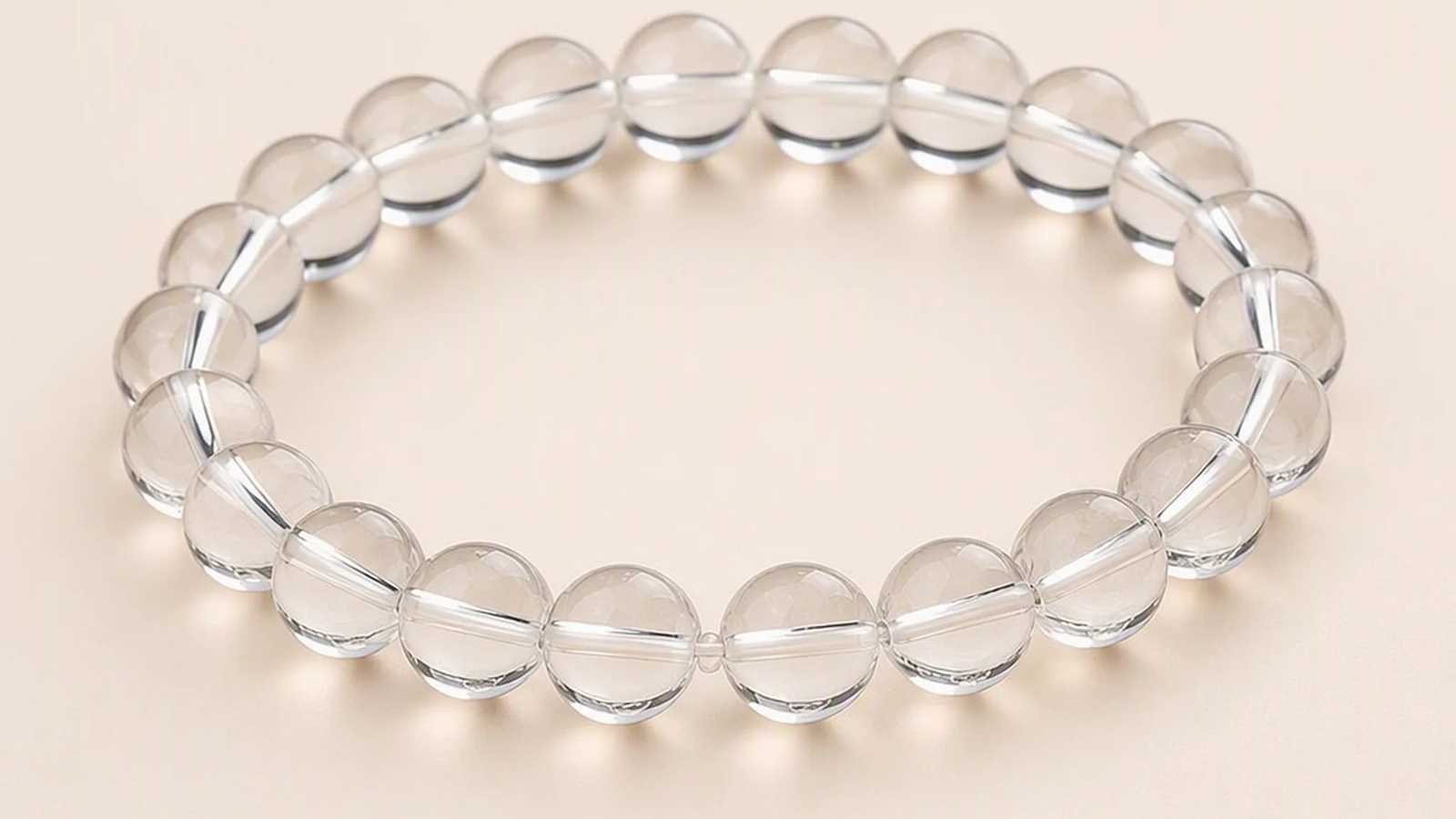
Table of Contents
- What Is Purple Rock Crystal? Amethyst Explained Simply
- 10-Second Executive Summary / The Verdict Box
- Why Purple Rock Crystal Is Purple: Iron, Radiation, and Geodes
- Purple Rock Crystal Meaning: Symbolism, Folklore, and the Amethyst Legend
- Everyday Uses of Purple Rock Crystal
- Home Decor, Jewelry, and Gift Ideas That Fit Daily Life
- Intuition, Calm, and Well-Being: What Crystal Users Actually Do
- How to Tell Real Purple Rock Crystal from Fakes and Dyed Quartz
- Fake vs. Real: A Step-by-Step Buyer's Check
- Care Guide: Cleansing, Charging, and Storing Your Crystal
- Buying Guide: Grades, Shapes, and Realistic Prices
- FAQ: Purple Rock Crystal Questions We Hear Most
- Is purple rock crystal the same as amethyst?
- What does purple rock crystal mean and what is it used for?
- How can you tell if purple rock crystal is real?
- A Gentle Place to Start
- Sources
What Is Purple Rock Crystal? Amethyst Explained Simply
Purple rock crystal is amethyst — the purple variety of quartz, and the same mineral as clear rock crystal at its core. When iron replaces some of the silicon atoms in the quartz structure and natural irradiation follows over geological time, the crystal takes on color from pale lilac to deep plum. The Smithsonian National Museum of Natural History notes that "purple quartz is called amethyst" and calls it the most prized gem variety of quartz.
10-Second Executive Summary / The Verdict Box
- Direct Verdict: "Purple rock crystal" and amethyst are the same thing — purple quartz. If it is genuine natural quartz, it is amethyst.
- Mineral: Quartz (SiO₂), purple variety; Mohs Hardness: 7; Crystal System: Trigonal; Color Cause: iron substitution plus natural irradiation.
- Best For: everyday jewelry, geode and cluster decor, beginner collecting, and gifting.
- Watch Out For: dyed glass, dyed quartz, and heat-treated or synthetic material sold as "natural."
- Buying Anchor: Look for the Lumina Grade AAA Integrity Standard — natural rough material, no chemical resin filling, no irradiation dyeing.
The rest of this guide answers what it means, how to spot a fake, how to care for it, and what a fair price looks like, in plain language you can act on today.
Why Purple Rock Crystal Is Purple: Iron, Radiation, and Geodes
Amethyst usually forms as crystals lining cavities and voids inside volcanic rock, creating geodes — hollow, rounded masses with a crystal interior. In many deposits, the purple color develops when trace iron sits in the quartz lattice and natural radiation from surrounding minerals alters the iron's oxidation state. This is why the same piece can shift from faint lavender at the base to deep violet at the tips, where growth was slowest.
This also explains why amethyst is heat-sensitive: heating changes or strips the color, and much citrine on the market is simply heat-treated amethyst. A natural, unheated purple tone therefore usually commands more attention than a faded or artificially brightened one.
Purple Rock Crystal Meaning: Symbolism, Folklore, and the Amethyst Legend
Across cultures, purple rock crystal is often associated with calm, clarity, and moderation. The most famous origin story comes from Greek myth: the maiden Amethyste prayed to remain chaste, and the goddess Diana transformed her into white stone; Bacchus then poured wine over it, dyeing the crystals purple. The name itself traces to the Greek amethystos, commonly read as "not intoxicated."
Because of that root, amethyst has long been worn as a stone of clear-headedness rather than excess. In modern crystal use, it is frequently associated with intuition, peaceful sleep, and quiet reflection. These are cultural and symbolic meanings, not medical claims — think of them as traditions and personal practices rather than treatment.
Everyday Uses of Purple Rock Crystal
Purple rock crystal is unusually easy to live with because it is hard (Mohs 7) and visually warm. You do not need a display cabinet to enjoy it — a small cluster on a desk or a single polished point on a nightstand is often enough.
Home Decor, Jewelry, and Gift Ideas That Fit Daily Life
For interiors, raw amethyst geodes and druzy clusters work as low-effort focal points on shelves, coffee tables, and windowsills. A small cluster catches light without needing direct sun, and a geode half can double as a bookend or ring dish. For jewelry, amethyst takes a polish well, so faceted pendants, beads, and cabochons are common and durable enough for everyday wear — just avoid knocking them against harder stones like diamond or sapphire.
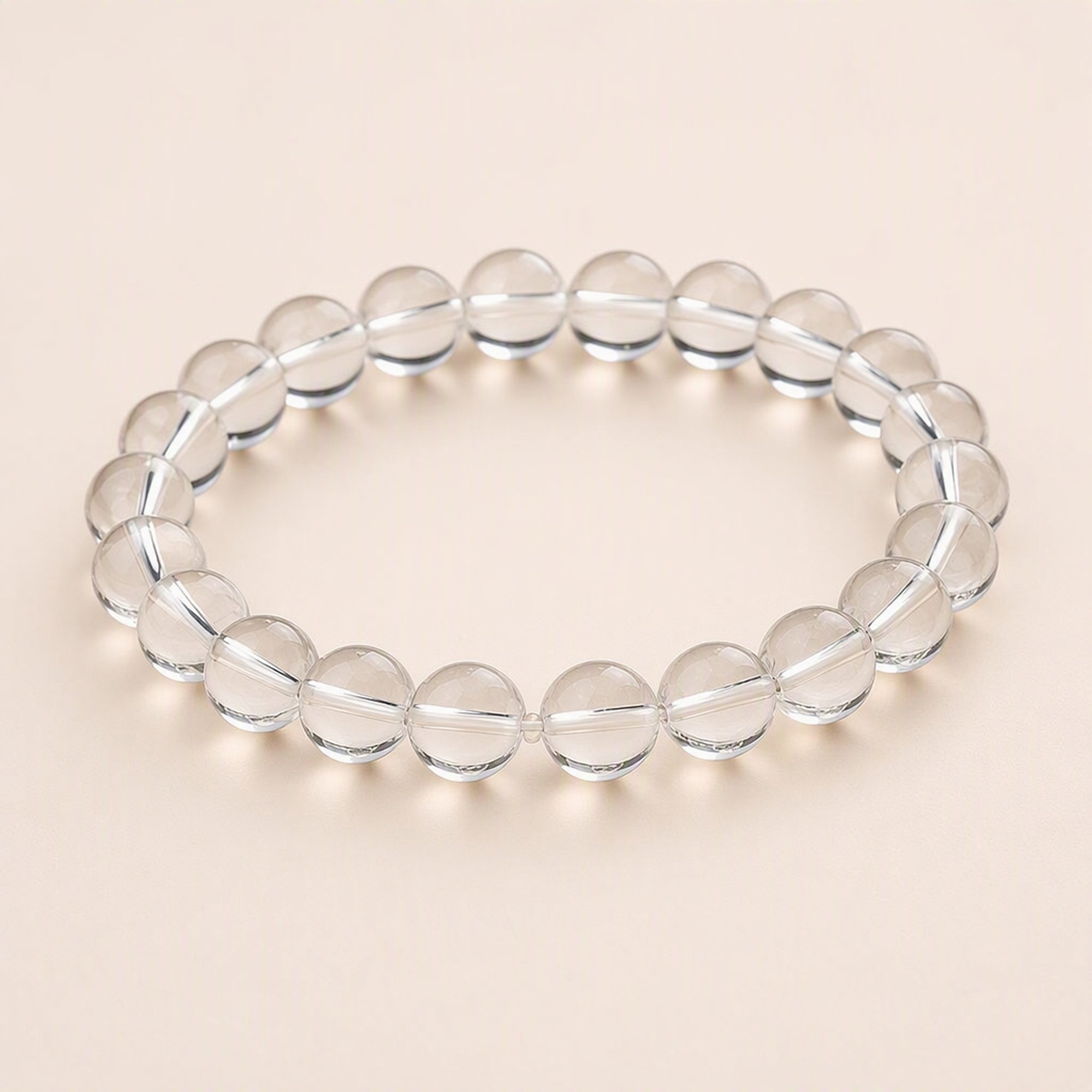
Clear Quartz Bracelet
A quiet bracelet for turning this intention into a small daily ritual.
Shop This Authentic Piece →As a gift, amethyst suits February birthdays, new homes, and anyone starting a crystal collection. A modest polished point or a palm-sized cluster tends to land better than an oversized statement piece.
Intuition, Calm, and Well-Being: What Crystal Users Actually Do
Practical crystal users keep it simple. A common routine is to place a piece where you naturally pause — beside a laptop, on a bedside table, or near a meditation cushion — and use it as a visual cue to slow down and breathe. Others carry a small tumbled stone in a pocket as a grounding reminder. Whether or not you read meaning into the crystal, the habit of pausing is often the part that helps most.
How to Tell Real Purple Rock Crystal from Fakes and Dyed Quartz
The biggest fakes in this market are dyed glass, dyed colorless quartz, and resin-set clusters. Here is a step-by-step check you can run before or after buying.
Fake vs. Real: A Step-by-Step Buyer's Check
- Look for color zoning. Natural amethyst usually shows uneven purple — lighter at the base, deeper at the tips, sometimes banded. A uniformly soaked purple is a warning sign.
- Check the fracture lines. In dyed quartz and glass, dye pools in cracks and scratches, appearing darker there than in the body of the stone.
- Feel the weight and temperature. Quartz feels denser and cooler than plastic or resin. Glass is close, so pair this with other tests.
- Test hardness only if you own it. Quartz (Mohs 7) scratches glass but not steel; a soft stone that scratches easily is suspect.
- Inspect the base of clusters. Natural geodes have rough, uneven matrix rock; resin-filled or assembled pieces look glued and too clean.
- Ask about treatment. A trustworthy seller states whether material is natural, heated, dyed, or synthetic. Look for the Lumina Grade AAA Integrity Standard, which specifies natural rough material, no chemical resin filling, and no irradiation dyeing.
Boundary note: These checks catch common fakes, not everything. They cannot distinguish natural color from skillful heat treatment without lab equipment, so when the price seems too good for deep, saturated purple, treat that as the real signal.
Care Guide: Cleansing, Charging, and Storing Your Crystal
Amethyst is forgiving but not indestructible. Here is what actually matters.
- Cleansing: Rinse with lukewarm water and pat dry, or wipe with a soft cloth. Avoid hot water and sudden temperature swings, which can crack a geode.
- What to avoid: Do not leave amethyst in prolonged direct sunlight — it may fade over time. Skip ultrasonic cleaners and harsh chemicals on dyed or resin-treated pieces.
- Charging: If you follow crystal practice, moonlight or a quiet windowsill is the gentlest option. There is no physical requirement to "charge" quartz; it is a personal ritual.
- Storing: Keep pieces apart or wrapped so they do not scratch each other, and store away from direct sun and damp basements.
Buying Guide: Grades, Shapes, and Realistic Prices
Amethyst pricing depends on color depth, clarity, size, and origin more than on any single "grade." Deep, transparent, evenly colored material is rarer and costs more; pale or heavily included clusters are widely available and affordable.
- Clusters and geodes: the most common form. Small pieces are inexpensive entry points; large geode halves are statement purchases.
- Points and towers: polished single crystals, easy to display, priced by size and color.
- Tumbled stones: the cheapest way to own a piece; ideal for pockets and gifts.
- Faceted gems: cut for jewelry; price rises sharply with saturation and clarity.
When comparing sellers, ask three questions: Is the color natural or treated? Is the piece solid quartz or resin-set? Does the seller apply a written integrity standard such as Lumina Grade AAA? Clear answers are worth more than vague claims like "highest quality."
FAQ: Purple Rock Crystal Questions We Hear Most
Is purple rock crystal the same as amethyst?
Yes. Purple rock crystal is amethyst — the purple variety of quartz. Any genuinely purple, natural quartz crystal is amethyst by definition; the two names describe the same mineral.
What does purple rock crystal mean and what is it used for?
It is traditionally associated with calm, clarity, and intuition, and is often used in decor, jewelry, and personal reflection routines. These meanings are symbolic and cultural rather than medical.
How can you tell if purple rock crystal is real?
Check for uneven color zoning, dye pooling in cracks, and the weight and hardness of quartz (Mohs 7). Uniformly soaked purple or resin-glued clusters are the most common fakes, so buying from a seller who states treatment and origin is your best safeguard.
A Gentle Place to Start
Purple rock crystal rewards a slow look. Notice the color shifting from base to tip, the rough matrix under a cluster, the cool weight in your hand. Whether you keep it as a symbol, a piece of geology, or simply something beautiful on a shelf, the honest version — natural, untinted, well-chosen — will stay with you far longer than a shortcut ever could.
Sources
- Citrine History and Lore
- Quartz (var. smoky-citrine) | Smithsonian National Museum of Natural History
- Smithsonian National Museum of Natural History — Quartz (var. amethyst geode)
- Wikipedia — Amethyst (folklore and naming origin)
© 2026 Lumina Quartz. This article shares cultural, geological, and shopping information only and is not medical advice.
Product Facts From the Current Catalog
These details come from the active Lumina Quartz catalog record checked on 2026-10-08. They are product-listing facts, not laboratory results or invented wear-test claims.
| Listed product | Clear Quartz Bracelet – Focused Intention |
|---|---|
| Format | Bracelet |
| Listed price snapshot | 34.99 |
Price, availability, and options may change. Check the live product listing before choosing.