The Complete Everyday Guide to Sacral Chakra Stones: Meaning and Uses
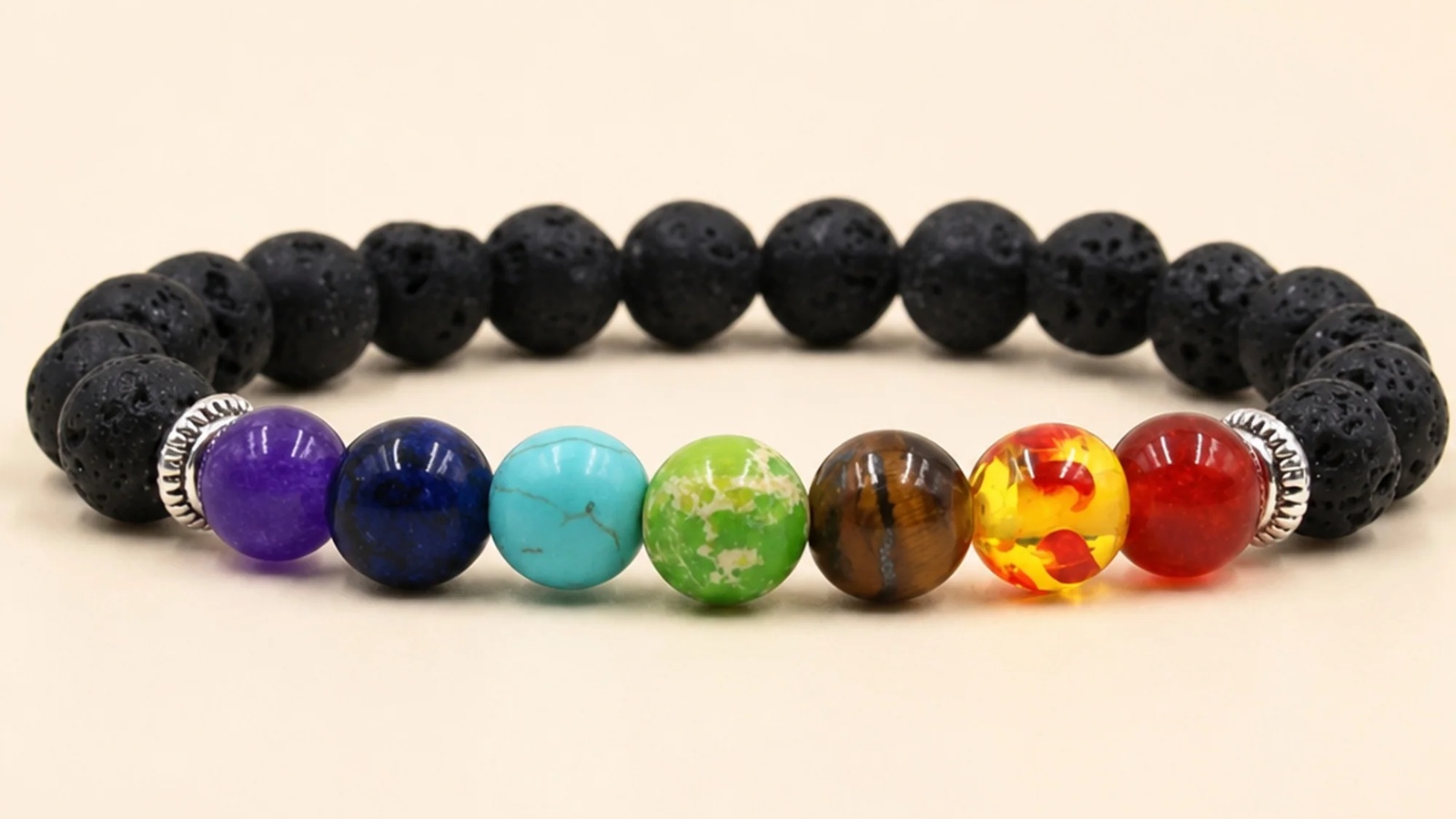
Table of Contents
- 10-Second Executive Summary / The Verdict Box
- What Is the Sacral Chakra and Why It Matters
- Signs Your Sacral Chakra Is Blocked or Overactive
- Top Sacral Chakra Stones and Their Meanings
- Carnelian: The Stone of Passion and Motivation
- Orange Calcite: Joy, Creativity, and Flow
- Moonstone: Emotional Balance and Intuition
- Sunstone and Citrine: Confidence and Positive Energy
- How to Choose the Right Sacral Chakra Stone for You
- Sacral Chakra Stone Decision Table
- Everyday Uses: Wear, Carry, Meditate, and Decorate
- How to Cleanse, Charge, and Care for Your Stones
- Frequently Asked Questions
- What stones are good for the sacral chakra?
- How do I know if my sacral chakra is blocked?
- Which sacral chakra stone is best for creativity and passion?
- Sources
The best stones for the sacral chakra are typically orange, warm-toned minerals — carnelian, orange calcite, sunstone, and citrine — with moonstone often chosen for its softer, reflective energy. These stones are traditionally associated with the sacral chakra because their color matches the orange wheel that many yoga and meditation traditions place just below the navel. In everyday practice, people wear, carry, or meditate with them as personal reminders for creativity, emotional balance, and healthy boundaries. The sections below explain what the sacral chakra means, how to spot imbalance, which stones to choose, and how to care for them.
10-Second Executive Summary / The Verdict Box
- Direct Verdict: For the sacral chakra, start with carnelian for motivation, orange calcite for creative flow, moonstone for emotional balance, and sunstone or citrine for confidence. Choose by the quality of the stone you can actually feel and hold.
- Mohs Hardness (key picks): Carnelian and citrine (quartz family) ~6.5–7; moonstone (feldspar) ~6–6.5; sunstone (feldspar) ~6–6.5; orange calcite ~3. Treat softer calcite with extra care.
- Color association: Orange is the traditional sacral color in most chakra systems.
- Best Use Scenarios: Wearing as a pendant or ring, carrying a tumbled stone, short meditation sessions, and placing a stone on a desk or altar.
- Quality Standard: Look for natural, untreated stones — the basis of the Lumina Grade AAA Integrity Standard (natural rough origin, no chemical resin filling, no irradiation or dye).
What Is the Sacral Chakra and Why It Matters
The sacral chakra (often called svadhisthana, meaning "one's own place") is the second chakra in most systems, located in the lower abdomen below the navel. In chakra traditions it is linked to water, to the color orange, and to themes of creativity, pleasure, emotion, and connection with others. It is worth noting that "chakra" is a layered word: in South Asian religious art it also means a wheel, such as the wheel of Dharma depicted with attending deer in museum collections. The body-centered chakra system many people use today is a living tradition rather than a single fixed doctrine, and exhibitions such as the Smithsonian's Yoga: The Art of Transformation show how varied and historically rich these practices are.
For everyday purposes, treat the sacral chakra as a personal anchor: a way to check in with your energy, your creative life, and your emotional boundaries. Stones are a tactile focus for that check-in — not a medical tool. Any sense of calm or clarity you notice is best understood as personal ritual and reflection, not a physiological effect.
Signs Your Sacral Chakra Is Blocked or Overactive
Traditional chakra teaching describes two directions of imbalance. A "blocked" sacral chakra is often associated with low motivation, creative dryness, difficulty feeling pleasure, or a sense of emotional numbness. An "overactive" sacral chakra is often associated with emotional overwhelm, poor boundaries, or being pulled too easily into other people's feelings. These are symbolic frameworks, not clinical diagnoses — if you are struggling with persistent low mood or anxiety, a qualified professional is the right resource.
Use these signs as journaling prompts rather than labels. A useful everyday check is to ask: Am I creating anything right now? Do I feel my own feelings, or am I absorbing everyone else's? If the answer points to stagnation, an orange stone can serve as a grounded reminder to make something small today. If it points to overwhelm, a cooler, softer stone like moonstone may feel more supportive as a reminder to pause and set a boundary.
Top Sacral Chakra Stones and Their Meanings
Each stone below is chosen for its color and its cultural associations. The meanings are traditional and symbolic — they describe what people often associate with these stones, not verified therapeutic effects.
Carnelian: The Stone of Passion and Motivation
Carnelian is a translucent orange to red-orange chalcedony from the quartz family, with a Mohs hardness of roughly 6.5–7. It is one of the most commonly cited sacral chakra stones and is often associated with passion, courage, and the motivation to begin. Its warmth makes it a natural "starting stone" for anyone new to chakra work. Because it is relatively durable, carnelian works well as a ring or pendant you wear daily.
Orange Calcite: Joy, Creativity, and Flow
Orange calcite is a softer mineral (Mohs ~3) with a bright, almost glowing orange tone. It is often associated with joy, playful creativity, and a sense of flow — fitting for the water-linked sacral chakra. Because it scratches easily, keep it as a pocket or desk stone rather than a ring, and store it separately from harder pieces.
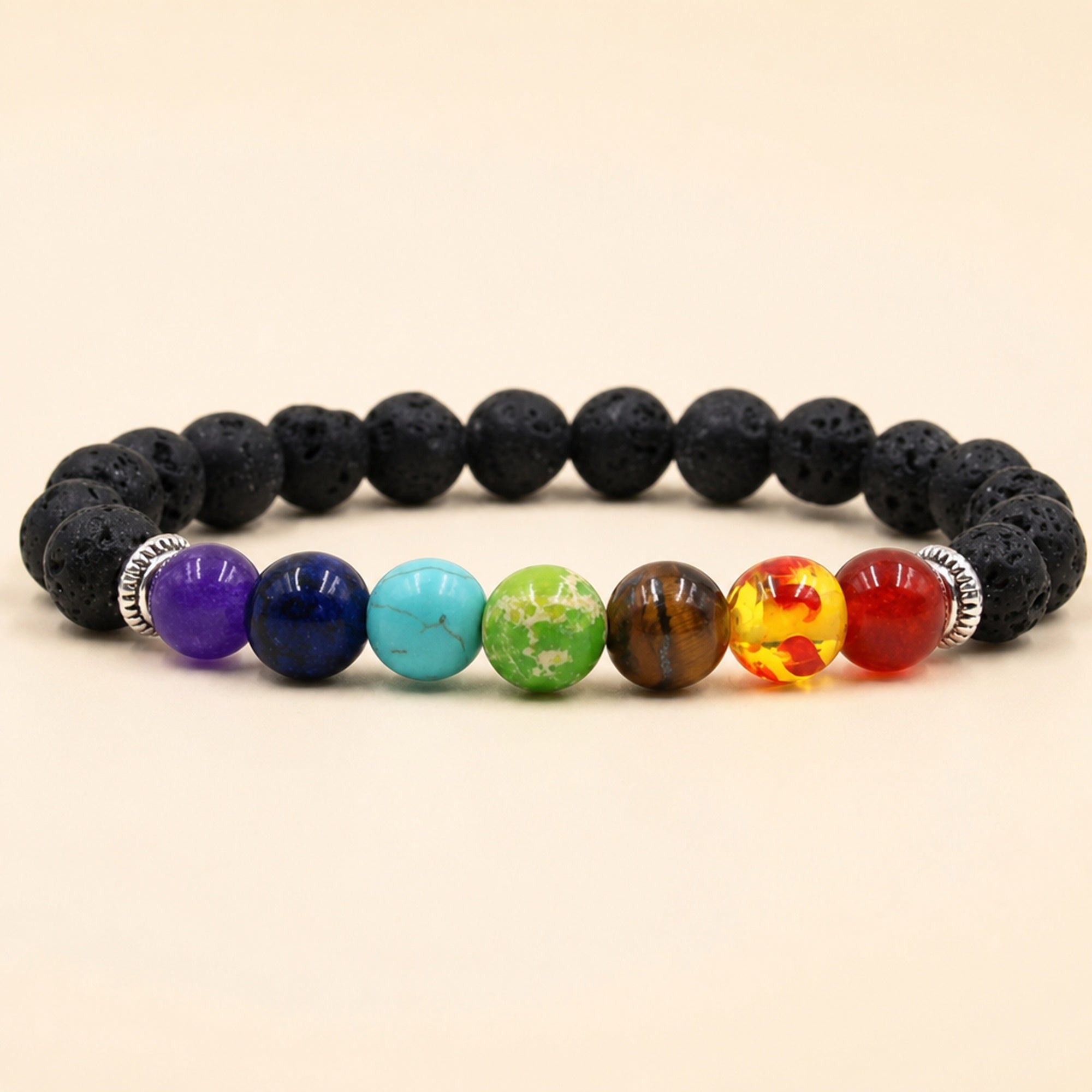
Seven Chakra Bracelet
A quiet bracelet for turning this intention into a small daily ritual.
Shop This Authentic Piece →Moonstone: Emotional Balance and Intuition
Moonstone is a feldspar (Mohs ~6–6.5) known for its pale, shifting sheen. Though not orange, it is frequently chosen alongside sacral stones for its association with emotional balance, intuition, and gentle cycles. It may suit people who feel emotionally overstimulated and want a calmer, more reflective anchor. Handle it with care, as it can chip along cleavage planes.
Sunstone and Citrine: Confidence and Positive Energy
Sunstone, a feldspar with sparkling inclusions (Mohs ~6–6.5), and citrine, a yellow-to-orange quartz (Mohs ~7), are both often associated with confidence, optimism, and positive energy. Sunstone's warm glitter pairs naturally with the sacral palette; citrine's clarity makes it a popular choice for intention-setting. Both are durable enough for everyday wear.
How to Choose the Right Sacral Chakra Stone for You
Choose by intention first, then by practical factors like hardness, size, and how the stone feels in your hand. The decision table below is the fastest way to match a stone to your situation.
Sacral Chakra Stone Decision Table
| Your Situation | Best First Pick | Why | Practical Note (Hardness) |
|---|---|---|---|
| Creative block, low motivation | Carnelian | Traditionally associated with passion and starting | Mohs ~6.5–7; good for daily wear |
| Feeling emotionally overwhelmed or scattered | Moonstone | Often associated with calm reflection and boundaries | Mohs ~6–6.5; avoid hard knocks |
| Want more play and lightness | Orange calcite | Associated with joy and creative flow | Mohs ~3; pocket or desk stone only |
| Need confidence for a new step | Sunstone or citrine | Often associated with optimism and positive energy | Mohs ~6–7; fine for jewelry |
| New to chakra stones entirely | Carnelian tumbled stone | Accessible, durable, and the most cited sacral stone | Easy to carry and cleanse |
Quality filter: Whatever you choose, favor natural stones with visible, consistent color and no suspiciously uniform dye. This is the principle behind the Lumina Grade AAA Integrity Standard: natural rough origin, zero chemical resin filling, and no irradiation or dye treatment. A natural stone may show slight banding and variation — that is a sign of authenticity, not a flaw.
Everyday Uses: Wear, Carry, Meditate, and Decorate
The most practical way to use sacral chakra stones is to build them into routines you already have.
- Wear: A carnelian or citrine pendant or ring keeps the intention present through the workday. Choose settings that protect softer stones.
- Carry: Keep a tumbled stone in your pocket or bag. Hold it for a few breaths when you notice creative resistance or emotional tension.
- Meditate: Sit comfortably, rest the stone in your hand or on your lower abdomen, and breathe slowly for 3–5 minutes. Treat the stone as a focus for attention, not a treatment.
- Decorate: Place an orange calcite or sunstone on a desk or near your creative workspace as a visual cue to make something.
A simple habit: pair the stone with one concrete action — a five-minute sketch, a journal entry, or a boundary-setting sentence you've been avoiding. The stone marks the moment; the action is the point.
How to Cleanse, Charge, and Care for Your Stones
Cleansing is a symbolic reset. The safest methods are also the simplest:
- Gentle water and a soft cloth for hard quartz-family stones like carnelian and citrine. Avoid prolonged soaking for moonstone, sunstone, and especially calcite.
- Dry methods — a soft brush, a dry cloth, or placing the stone in moonlight — are safe for all the stones above and are the default for soft calcite.
- Charging is best kept symbolic: place the stone on a windowsill in indirect light or beside a meaningful object. Avoid harsh direct sun, which can fade some dyed or heat-treated stones.
- Storage: Keep calcite and moonstone in separate pouches so harder quartz doesn't scratch them.
There is no verified scientific cleansing effect to report; the value is in the ritual and the attention it invites. If a practice feels grounding to you, that is reason enough to keep it.
Frequently Asked Questions
What stones are good for the sacral chakra?
The most commonly used are carnelian, orange calcite, moonstone, sunstone, and citrine — chosen for their warm or reflective tones and traditional associations with creativity, emotion, and confidence.
How do I know if my sacral chakra is blocked?
Traditional teaching associates a blocked sacral chakra with creative dryness, low motivation, or emotional numbness. Treat this as a reflective prompt, not a diagnosis, and consult a professional for persistent distress.
Which sacral chakra stone is best for creativity and passion?
Carnelian is the most cited choice for passion and motivation, while orange calcite is often chosen for playful creativity and flow. Pick the one whose color and feel you respond to most.
Sources
- Yoga: The Art of Transformation — National Museum of Asian Art
- Chakra (wheel of Dharma) with attending pair of deer — Smithsonian's National Museum of Asian Art
This article is for cultural and personal-reflection purposes only and does not provide medical advice. Crystal and chakra associations are traditional and symbolic. Mohs hardness values are approximate mineral properties, not guarantees of durability. © 2026 Lumina Quartz
Product Facts From the Current Catalog
These details come from the active Lumina Quartz catalog record checked on 2026-10-22. They are product-listing facts, not laboratory results or invented wear-test claims.
| Listed product | Seven Chakra Bracelet – Balanced Ritual (8mm Natural Stones) |
|---|---|
| Format | Bracelet |
| Listed price snapshot | 34.99 |
Price, availability, and options may change. Check the live product listing before choosing.