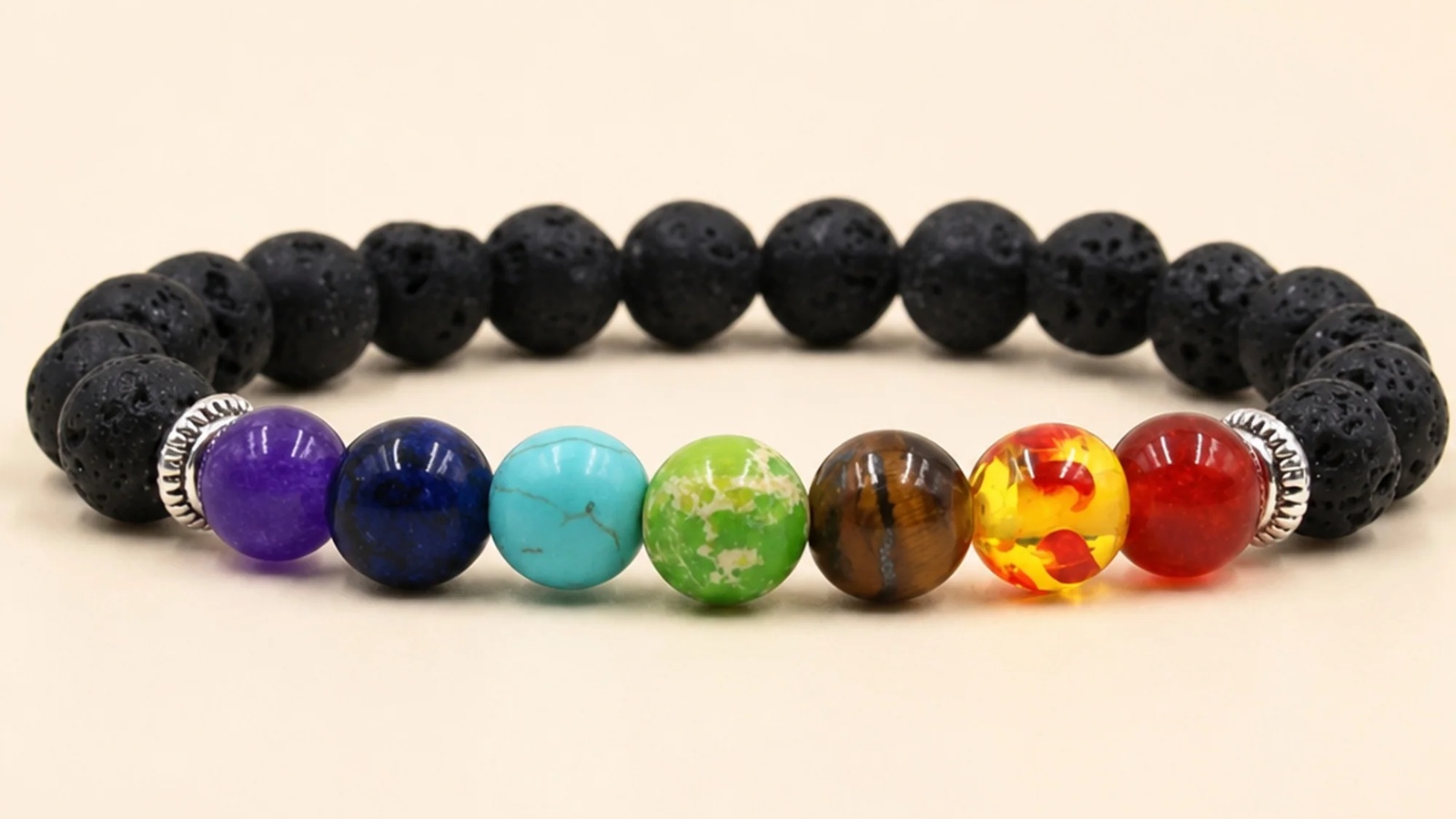
The best crystals for the solar plexus chakra are typically yellow and gold stones — citrine, yellow jasper, amber, tiger's eye, pyrite, and sunstone — chosen because their color and appearance are often associated with this energy center in modern crystal practice. In everyday use, a single well-chosen stone carried in a pocket or placed on a desk may serve as a grounding reminder, while a small set can support a morning ritual or meditation focus. This guide explains what the solar plexus chakra means, how to recognize when it may feel out of balance, and how to choose, use, and care for these stones honestly — separating mineral fact from cultural symbolism.
10-Second Executive Summary / The Verdict Box
- Direct Verdict: For the solar plexus chakra, start with citrine or yellow jasper — affordable, widely available, and easy to care for. Add tiger's eye or pyrite if you want a stone with a stronger, more grounding presence.
- Mohs Hardness (key stones): Citrine ≈ 7; Yellow Jasper ≈ 6.5–7; Tiger's Eye ≈ 6.5–7; Pyrite ≈ 6–6.5; Amber ≈ 2–2.5 (much softer — treat gently); Sunstone ≈ 6–6.5.
- Cultural Color Association: Yellow and gold — often linked to confidence, will, and personal agency in modern chakra writing.
- Best Everyday Use: Pocket or desk stone as a reminder; short meditation focus; pairing with other chakra stones in a small set.
- Quality Note: Look for stones under the Lumina Grade AAA Integrity Standard — natural, untreated material, no chemical resin filling, no irradiation or dye.
What Is the Solar Plexus Chakra and Why Does It Matter?
In modern chakra systems, the solar plexus chakra (often called Manipura) is the third energy center, located around the upper abdomen, and is culturally associated with confidence, personal will, and a sense of agency. It is important to understand that this framework is a living tradition of symbolism and personal practice, not a medical model. The word "chakra" itself means "wheel" and appears in South Asian religious and artistic contexts — for example, the Smithsonian's National Museum of Asian Art documents chakra imagery in its exhibition on yoga and transformation, and the wheel of Dharma symbol appears in Buddhist art as a representation of teaching and cosmic order. These historical uses are about symbolism and spiritual meaning, not about anatomy or health.
For everyday practice, the solar plexus chakra matters mainly as a reference point — a way to frame intentions around steadiness, self-trust, and follow-through. Yellow and gold crystals are often associated with this center because of their color, which makes them a natural and poetic focal object for those intentions.
Signs Your Solar Plexus Chakra May Be Blocked or Imbalanced
In chakra-based traditions, an imbalanced solar plexus is often described through emotional and behavioral themes rather than physical symptoms. Common descriptions include:
- Difficulty making decisions or trusting your own judgment
- Feeling easily swayed by others, or over-relying on external approval
- A sense of low motivation or hesitation before taking action
- Alternatively, an overactive pattern: controlling tendencies or difficulty accepting help
These are symbolic and self-reflective signposts, not diagnostic criteria. If you are experiencing persistent distress, low mood, or anxiety, a crystal is not a substitute for professional support — it may simply accompany a gentle daily check-in.
Top Solar Plexus Chakra Crystals and Their Meanings
What crystals are best for the solar plexus chakra? The short answer: yellow and gold stones are the most commonly chosen, and the best one for you is the one whose texture, hardness, and symbolism fit your daily life. Below are the stones most often used, grouped by their practical character.
Citrine, Amber, and Yellow Jasper: The Core Trio
Citrine (Mohs ≈ 7) is a quartz variety in warm yellow to gold tones, often associated with optimism and personal clarity. Natural citrine tends to be pale; strongly saturated material may be heat-treated amethyst — a common and accepted trade practice, but worth asking about.
Amber (Mohs ≈ 2–2.5) is fossilized tree resin, not a mineral crystal — a distinction worth knowing. Its very low hardness means it scratches easily and should be kept away from perfumes and heat. It is often associated with warmth and steadiness.
Yellow Jasper (Mohs ≈ 6.5–7) is a durable, opaque stone with earthy yellow-brown bands, often associated with patience and grounded persistence. It is an excellent daily-carry choice because it tolerates wear well.
Tiger's Eye, Pyrite, and Sunstone: Stones of Strength and Confidence
Tiger's Eye (Mohs ≈ 6.5–7) shows a shifting silky band of light (chatoyancy) and is often associated with steadiness and courage in folk symbolism.
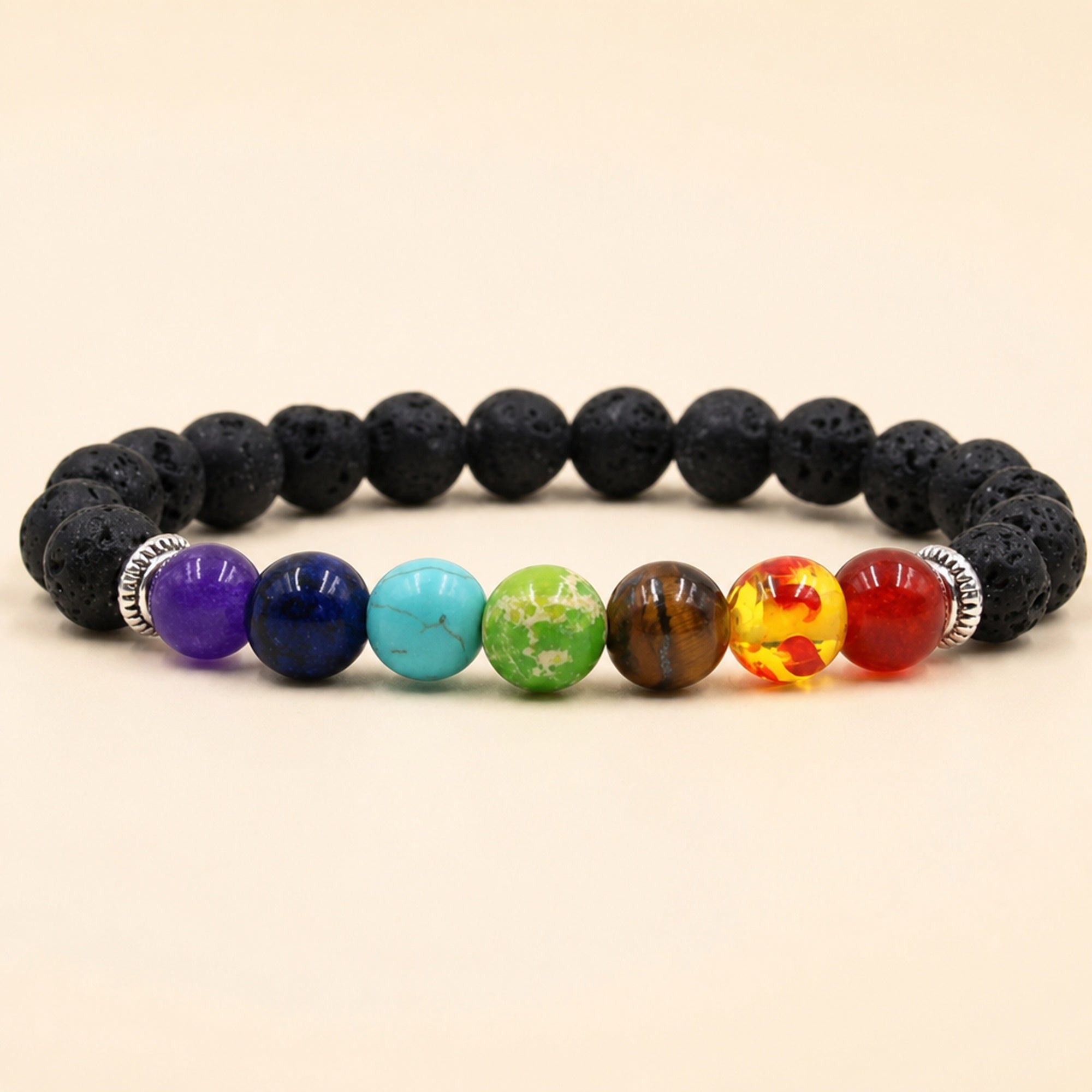
Seven Chakra Bracelet
A quiet bracelet for turning this intention into a small daily ritual.
Shop This Authentic Piece →Pyrite (Mohs ≈ 6–6.5), sometimes called "fool's gold," is a metallic sulfide with a bright brassy luster. It is often associated with will and follow-through. Note that pyrite can tarnish with moisture and should not be soaked in water.
Sunstone (Mohs ≈ 6–6.5) is a feldspar with sparkling inclusions, associated with vitality and warmth. Its sparkle is a natural optical effect, not a treatment — though some material is enhanced, so ask your seller.
Lesser-Known Allies: Golden Heliodor, Calcite, and Malachite
Golden Heliodor (yellow beryl, Mohs ≈ 7.5–8) is a durable, clear yellow stone — a good pick if you want something that holds up to daily wear.
Yellow Calcite (Mohs ≈ 3) is soft and translucent; lovely for a shelf display, less ideal for a pocket. Keep it away from acidic cleaners.
Malachite (Mohs ≈ 3.5–4) is a banded green stone sometimes paired with the solar plexus in blended color practice. Note that malachite should never be ingested or polished with bare hands and dissolved dust; its copper content is a real, documented material property, not a cure.
How to Choose the Right Solar Plexus Crystal for You
The most useful decision here is not "which stone is strongest" but "which stone fits how I will actually use it." Use the checklist below.
A Practical Selection Checklist (Decide in Under Two Minutes)
- Step 1 — Pick your use case. Pocket or daily carry? Favor Mohs 6.5+ and opaque stones (yellow jasper, tiger's eye, citrine, pyrite in a pouch). Shelf or meditation focal point? Softer stones are fine (amber, yellow calcite).
- Step 2 — Check hardness against your habits. If you handle the stone daily with keys, coins, or water, avoid amber (≈2–2.5) and malachite (≈3.5–4) in those settings.
- Step 3 — Ask "is this natural?" Clarify whether the color is natural, heat-treated, dyed, or resin-filled. Under the Lumina Grade AAA Integrity Standard, stones are natural, untreated material with no chemical resin filling, no irradiation, and no dye — a useful benchmark to compare any seller against.
- Step 4 — Compare same-sized stones. Look for even color, honest surface texture, and a clear answer about origin and treatment; a fair price should reflect hardness and rarity, not marketing claims.
- Step 5 — Match the symbolism. Choose the stone whose meaning speaks to your intention — steadiness (yellow jasper), spark (sunstone), or clarity (citrine) — and note this is cultural symbolism, not an effect on your body.
Everyday Ways to Use Solar Plexus Chakra Crystals
How do I use solar plexus chakra crystals in daily life? The most credible use is as a gentle ritual anchor — an object that helps you pause and set an intention. Practical ways to do this:
- Desk stone: Keep a yellow jasper or pyrite on your workspace; when you notice it, take one breath and name your next clear action.
- Pocket reminder: Carry a small citrine or tiger's eye; let it mark a moment of self-check ("am I choosing this, or drifting?").
- Morning ritual: Hold your stone for two to three slow breaths before opening email or messages — a grounding pause.
- Journal companion: Place a sunstone or amber beside your notebook as a visual cue for honest writing.
- Small display set: Group citrine, yellow jasper, and tiger's eye on a shelf as a visual reminder, not a substitute for real planning.
These practices may support a sense of calm and focus as reminders; they are not a treatment for any condition, and their effect is in the ritual and attention, not in the mineral itself.
Cleansing, Charging, and Caring for Your Crystals
How do I cleanse and charge solar plexus chakra crystals? There are several common methods, but the physically safest and most consistent approach is simple: gentle wiping, monthly checking, and avoiding harsh chemistry. Below is how the methods compare.
Cleansing Methods Compared (Choose by Hardness, Not by Trend)
- Dry wipe with a soft cloth — works for every stone; removes dust and oils. Best default.
- Sunlight for 10–20 minutes — a common tradition; keep clear citrine and cat's-eye stones brief, since prolonged UV may fade color.
- Lukewarm water rinse — fine for citrine, jasper, and tiger's eye, but avoid for pyrite (tarnishes), amber (may cloud), and malachite (never soak).
- Salt or salt water — traditional but risky: salt can scratch softer stones and is best kept to a bowl-placement or selenite plate, not direct contact.
- Sound or smoke — a symbolic method with no physical downside; use freely if it supports your ritual.
Boundary note: "Charging" is cultural terminology. There is no verified evidence that a crystal stores or releases energy; what changes is the intentionality you bring to the practice.
Crystals to Pair with the Solar Plexus Chakra
Can I combine solar plexus crystals with other chakra stones? Yes — pairing is common and practical, especially if you keep a small set. Consider:
- Root + solar plexus: Red jasper or smoky quartz with citrine — a common pairing for grounding before confident action.
- Heart + solar plexus: Rose quartz with tiger's eye — often used in symbolic balancing of warmth and will.
- Throat + solar plexus: Blue lace agate with yellow jasper — a frequent pairing in routines about speaking clearly and honestly.
Keep the groupings small — two to three stones — so each retains a clear role in your practice. When choosing a set, look for consistent quality; the Lumina Grade AAA Integrity Standard is a simple benchmark for natural, untreated stones across a mixed set.
Frequently Asked Questions
What crystals are best for the solar plexus chakra?
The most commonly chosen are yellow and gold stones: citrine, yellow jasper, amber, tiger's eye, pyrite, and sunstone. Start with citrine or yellow jasper for affordability and durability, and choose by how you will use the stone.
How do I know if my solar plexus chakra is blocked?
In chakra-based traditions, it is often described through themes like difficulty making decisions, hesitating before taking action, or feeling easily swayed. Treat these as self-reflection prompts, not diagnostic criteria, and seek professional support if distress persists.
How do I cleanse and charge solar plexus chakra crystals?
A dry soft-cloth wipe and brief sunlight or moonlight are the safest, most consistent methods. Avoid soaking pyrite, amber, and malachite, and keep salt away from softer stones to prevent scratching.
A Gentle Closing Note
Choosing a solar plexus crystal is a small, honest act of attention. Pick a stone that fits your hands and your habits, ask clear questions about how it was sourced and treated, and let it serve as a quiet reminder of the confidence you are already practicing — one clear decision at a time.
© 2026 Lumina Quartz