The Complete Everyday Guide to Tektite Stone: Meaning and Uses
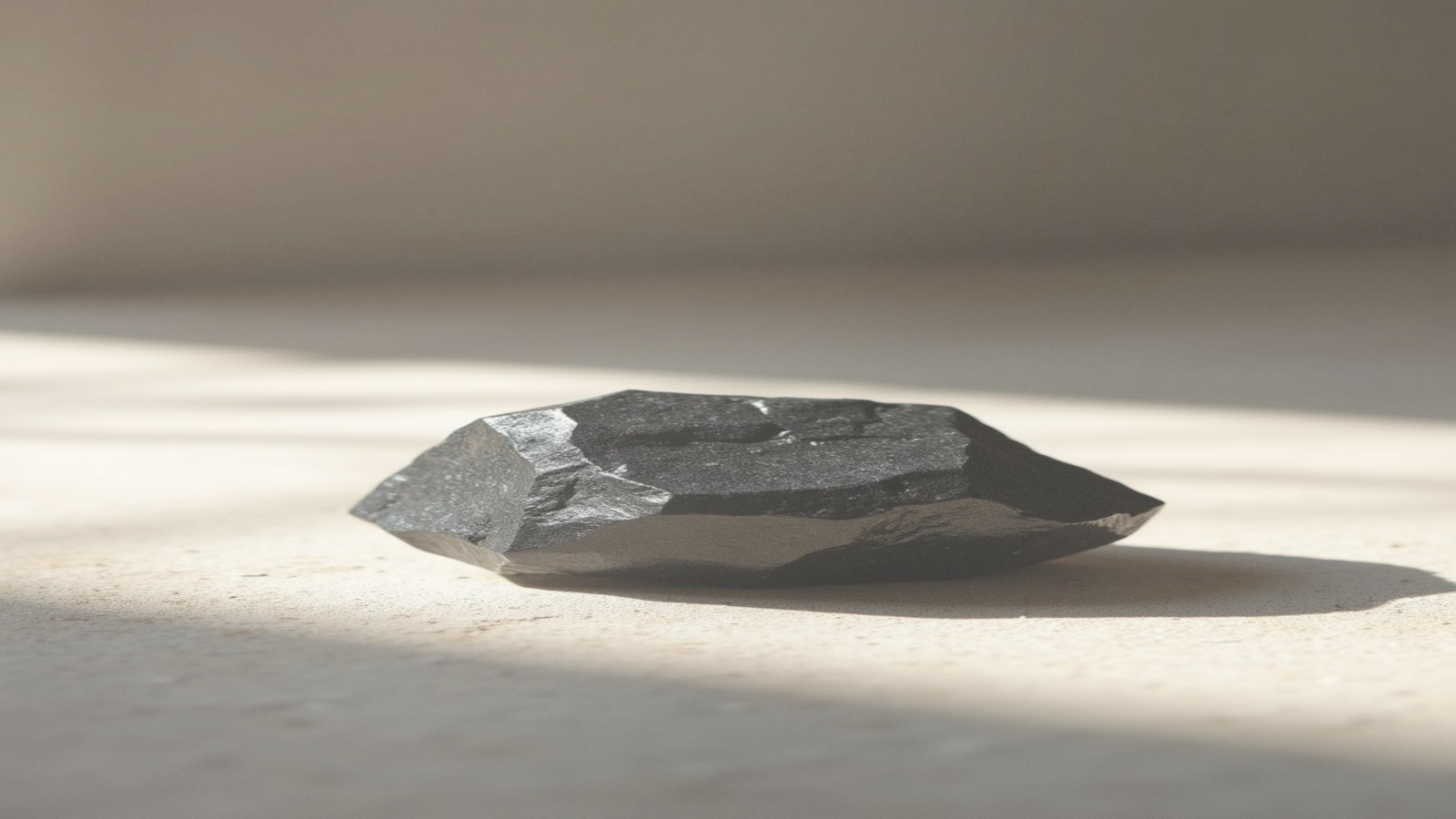
Table of Contents
- 10-Second Executive Summary / The Verdict Box
- What Is Tektite Stone? A Simple Definition
- How Tektite Forms: Meteorite Impacts and Strewn Fields
- Tektite vs. Meteorite, Obsidian, and Moldavite
- Comparison Table: Telling Them Apart
- Tektite Meaning and Metaphysical Properties
- Grounding, Protection, and Transformation
- Everyday Uses: Jewelry, Meditation, and Home Display
- Types of Tektite Worth Knowing (Moldavite, Australite, Indochinite, Libyan Desert Glass)
- How to Spot Real Tektite and Avoid Fakes
- Care, Cleansing, and Wear Tips
- FAQ: Quick Answers Before You Buy
- What is tektite stone and where does it come from?
- Is tektite a meteorite or a real gemstone?
- How can I tell real tektite from fake glass or obsidian?
- Sources
Tektite stone is a natural glass formed when a meteorite strikes the Earth and melts terrestrial rock, which is thrown into the air and cools as it falls back to the surface. It is not a meteorite fragment, not a traditional gemstone, and not obsidian — a distinction that matters for both spiritual meaning and everyday wear.
10-Second Executive Summary / The Verdict Box
- Direct Verdict: Tektite is Earth-made natural glass from meteorite impact debris — often associated with grounding and transformation, but best treated as a soft, scratch-prone jewelry material.
- Mohs Hardness: 5–6.5, meaning household dust (hardness 7) can scratch it; protective settings are advised for rings.
- Composition: Natural silica-rich glass consistent with terrestrial materials.
- Best For: Pendants, earrings, meditation pieces, and display specimens. Poor choice for daily-worn unprotected rings.
- Quality Standard: Look for natural, untreated pieces; Lumina Grade AAA Integrity Standard means natural origin, zero chemical impregnation, and no irradiation or dye treatment.
What Is Tektite Stone? A Simple Definition
Tektite stone is a natural glass formed from the ejected debris of meteorite impacts. Molten Earth material is thrown into the atmosphere and falls back to cool, producing the glassy, often pitted pieces found in defined strewn fields. According to the Gem Society, most pieces are very small, though some varieties have been cut and used in jewelry since prehistoric times.
The key correction many buyers need: tektites have terrestrial origins. They are formed by meteorite impacts, but the material itself has never been in outer space. Its composition is consistent with Earth materials.
How Tektite Forms: Meteorite Impacts and Strewn Fields
A meteorite hits the surface and melts surrounding rock. That melted material is ejected high into the atmosphere, then falls back and cools into glass. The scattered landing area is called a strewn field — which is why tektites of the same family cluster in specific geographic regions rather than appearing randomly worldwide.
Older theories once proposed a lunar origin, but current scientific consensus holds that tektites formed from impacts on the Earth's surface. This is the fact that separates tektite from meteorite in any serious identification conversation.
Tektite vs. Meteorite, Obsidian, and Moldavite
Comparison Table: Telling Them Apart
| Material | Origin | What It Actually Is | Key Buying Note |
|---|---|---|---|
| Tektite | Earth surface, formed by meteorite impact | Natural terrestrial glass | Hardness 5–6.5; scratches easily |
| Meteorite | Outer space | Stony, iron, or stony-iron rock | Has never melted into Earth glass; different composition and density |
| Obsidian | Volcanic | Volcanic glass | Different formation process, often darker and more uniformly glassy |
| Moldavite | A specific tektite family | A variety of tektite (green) | A subset of tektite, not a separate category |
Boundary to watch: Moldavite is a tektite variety, so "tektite vs. moldavite" is really "the group vs. one member." Use this table when a seller uses the terms loosely.
Tektite Meaning and Metaphysical Properties
Grounding, Protection, and Transformation
In crystal traditions, tektite is often associated with grounding, protection, and transformation — themes that mirror its story of intense impact and cooling into something new. These are cultural and symbolic associations, not verified effects. It may support a personal sense of focus or ritual, but it is not a treatment for any condition and should not be relied on to regulate mood, anxiety, or the nervous system.
Honest framing helps here: the meaning is real as a cultural symbol; the physical object is a natural glass. Keep the two separate, and your practice stays grounded in what you can actually observe.
Everyday Uses: Jewelry, Meditation, and Home Display
Tektite works well in pendants, earrings, and beaded pieces where it is protected from hard knocks. For mediation, many people hold a small piece as a tangible reminder of transformation and steadiness. At home, a display specimen on a shelf or desk keeps it visible without wear.
Avoid unprotected rings for daily wear — tektites range from 5 to 6.5 on the Mohs scale, and even household dust at hardness 7 can scratch the surface. Protective settings are the practical answer if you want a ring.
Types of Tektite Worth Knowing (Moldavite, Australite, Indochinite, Libyan Desert Glass)
Several named varieties appear in the market, each tied to a region and a strewn field: Moldavite (green, associated with Central Europe), Australite, Indochinite, and Libyan Desert Glass. These names describe where the glass was found and how it looks, not a different mineral. When comparing, ask for natural, untreated pieces and treat dramatic claims about rarity with calm skepticism.
How to Spot Real Tektite and Avoid Fakes
Because tektite is glass, fakes are common — cheap glass, dyed pieces, or mislabeled obsidian. A calm check:
- Ask about treatment. Genuine natural tektite should be free of chemical impregnation, irradiation, and dye. This is the core of the Lumina Grade AAA Integrity Standard: natural origin, zero chemical impregnation, no irradiation or dye treatment.
- Check the surface character. Natural pieces often show pits and flow textures from cooling; perfectly uniform glass is a caution flag.
- Confirm the family. If a seller calls moldavite a separate mineral from tektite, that is a knowledge gap worth noting.
- Compare against observed facts. Tektite is terrestrial glass with hardness 5–6.5 — not a space rock, not a traditional gemstone.
Care, Cleansing, and Wear Tips
Store tektite away from harder stones to prevent scratching. Clean with a soft cloth and mild soap; avoid abrasive cleaners and ultrasonic machines. For wear, choose pendants and earrings over rings, and if you do wear a ring, use a protective setting. Cleansing rituals are personal — a gentle rinse and a quiet moment are enough, without claims of medical benefit.
FAQ: Quick Answers Before You Buy
What is tektite stone and where does it come from?
Tektite is natural glass formed when a meteorite impacts Earth and melts terrestrial rock, which cools after falling back to the surface. It is found in defined strewn fields tied to impact regions.
Is tektite a meteorite or a real gemstone?
Neither, strictly. It is not a meteorite (its material has never been in space) and not a traditional gemstone, but a natural glass with Mohs hardness 5–6.5, sometimes cut for jewelry since prehistoric times.
How can I tell real tektite from fake glass or obsidian?
Look for natural pitting and flow texture, ask about treatment, and expect untreated natural origin under the Lumina Grade AAA Integrity Standard. Uniform, perfectly clear glass or unexplained coloring is a reason to slow down.
Sources
Disclaimer: Cultural and metaphysical associations described here are symbolic, not medical claims. © 2026 Lumina Quartz.
Interested in verified Tektite Stone jewelry?
We are reviewing materials, sizing, supplier images, and shipping details before adding Tektite Stone jewelry. Subscribe for launch updates.
Ask About Availability