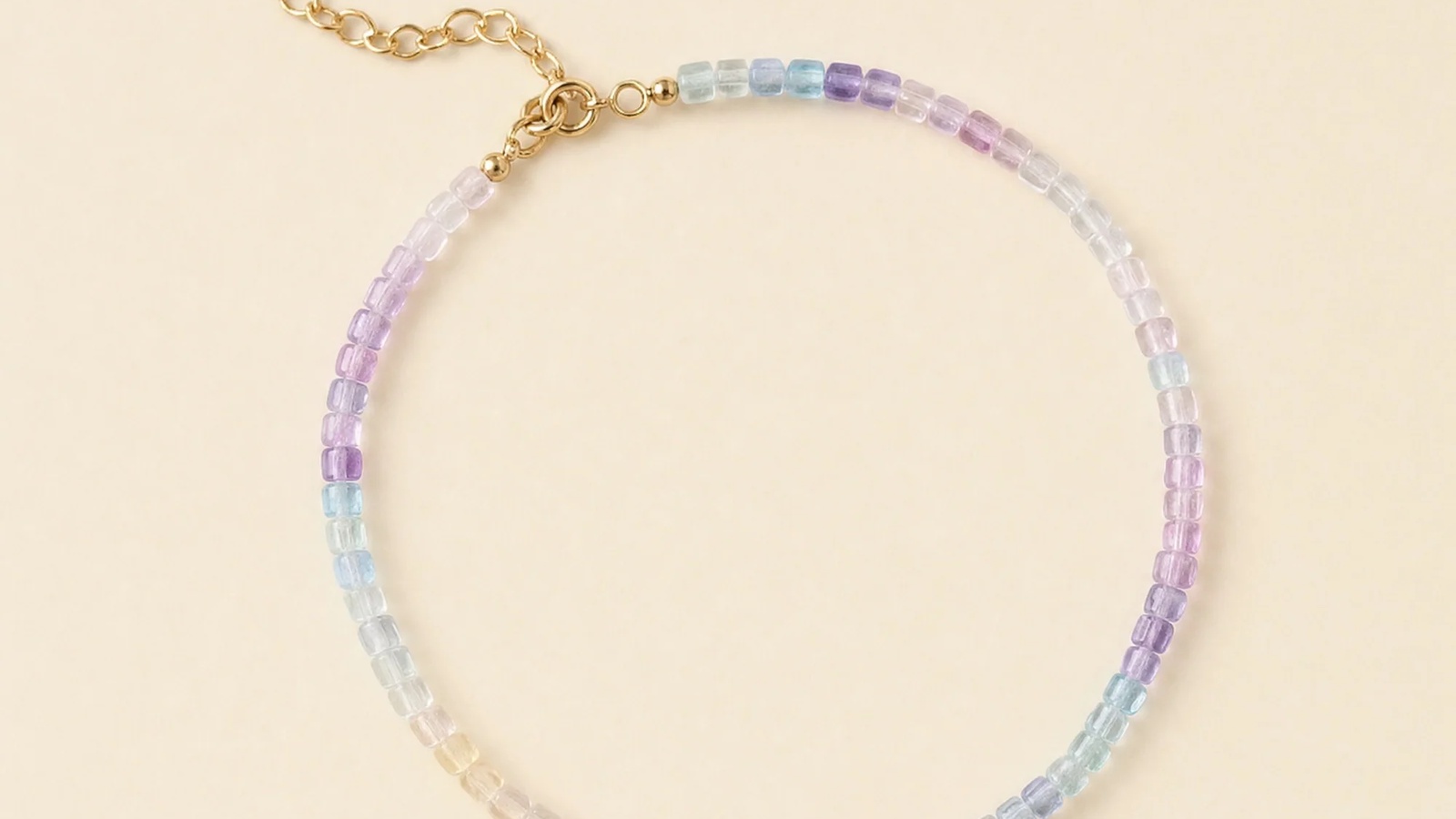
Blue fluorite is a naturally occurring calcium fluoride mineral (CaF₂) whose blue color is a natural color variety of fluorite; it is most often associated with calm, clear communication, and focused reflection in modern crystal practice, while scientifically it is a relatively soft mineral (Mohs hardness 4) best used gently and kept away from water and heat. If you are searching for what blue fluorite means, the short answer is: it is a symbolic stone for composure and articulate thought, not a medical or psychological treatment.
10-Second Executive Summary / The Verdict Box
Direct Verdict: Blue fluorite is a genuine mineral (CaF₂) with a widely recognized symbolic meaning of calm and clear expression; it is a reflective, decorative, and ritual object rather than a therapeutic tool.
- Mineral: Fluorite, calcium fluoride (CaF₂)
- Mohs Hardness: 4 (soft; easily scratched)
- Specific Gravity: 3.175–3.56
- Crystal System: Isometric (cubic), often forming cubes and octahedra
- Color: Blue is one of fluorite's natural color varieties; color zoning is common
- Best Use Cases: Desk and study rituals, conversation or presentation preparation, journaling, display specimens
- Care Note: Keep away from prolonged water exposure and heat; store separately from harder stones
- Quality Marker: Natural, untreated color with honest disclosure — the standard we call the Lumina Grade AAA Integrity Standard
What Is Blue Fluorite? (Mineral Facts at a Glance)
Fluorite is calcium fluoride that crystallizes in the cubic system, forming most often as cubes and octahedra, and it ranges in color from colorless to yellow, brown, orange, green, blue, violet, and pink, typically transparent to semi-transparent with color zoning being very common (Smithsonian National Museum of Natural History). Blue is one of the recognized color varieties within this range, documented among fluorite's broad color spectrum by Mindat.
Two physical facts shape how you should actually use blue fluorite. First, its hardness is 4 on the Mohs scale, which the Smithsonian describes as very low — soft and fragile enough that fluorite is generally cut as gemstones mainly for collectors rather than for most jewelry. Second, fluorite is a widely occurring mineral with gem-quality specimens found in many places, including Germany, Austria, Switzerland, Norway, Mexico, England, Canada, Kenya, Korea, Pakistan, China, Tanzania, and the United States (Smithsonian). The name itself comes from the Latin fluere, "to flow," referring to its historic use as a flux — and it is the mineral from which the word "fluorescence" derives (Mindat).
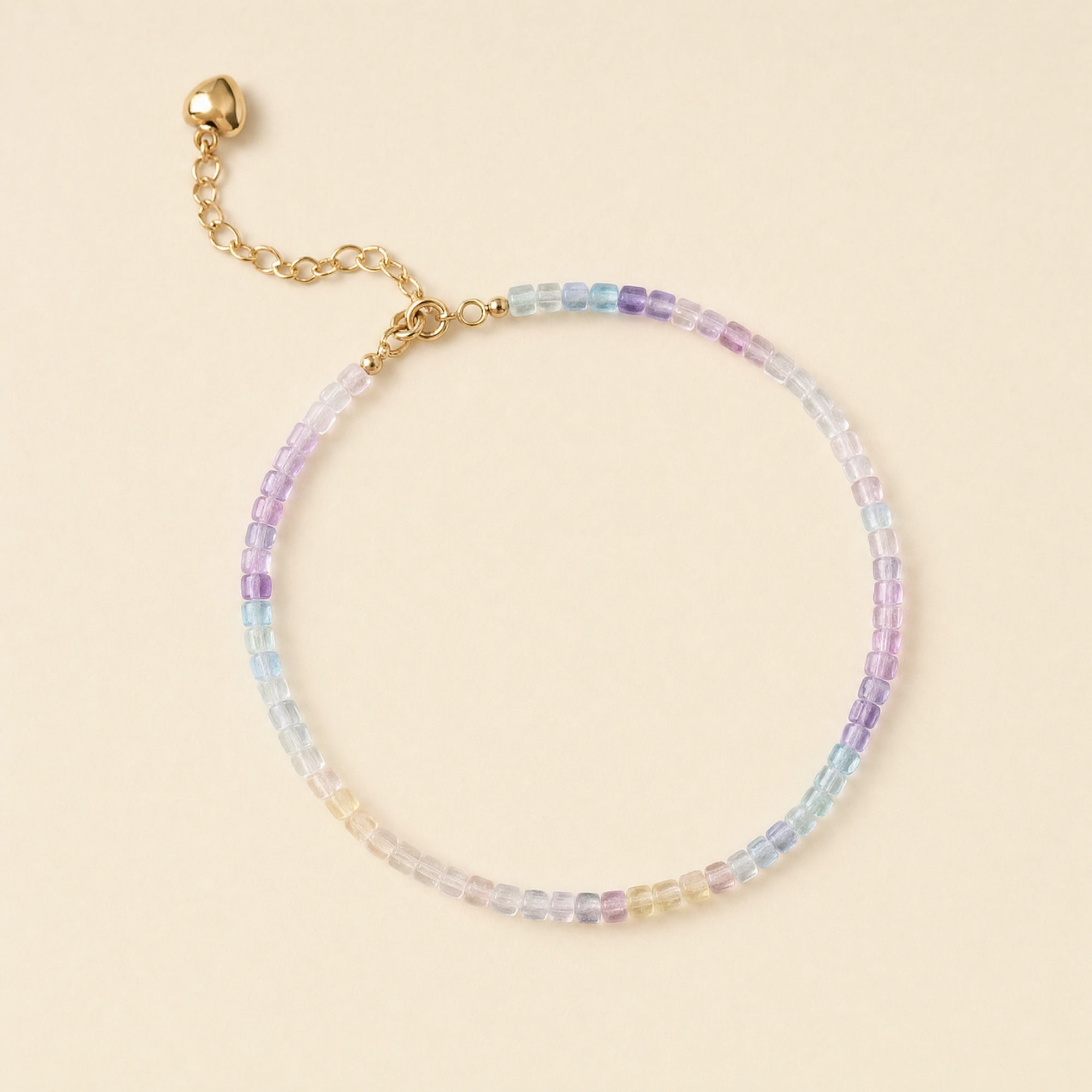
Fluorite Bracelet
A quiet bracelet for turning this intention into a small daily ritual.
Shop This Authentic Piece →Blue Fluorite Meaning and Symbolism
The meaning of blue fluorite sits at the meeting point of color symbolism and personal intention. In modern crystal practice, blue stones are often associated with the throat and with calm, measured expression; fluorite's own name and clarity give it an additional association with focus and orderly thought. These are cultural and personal meanings, not scientific claims — blue fluorite does not chemically or biologically calm the body, and we should not pretend it does.
Calm and Composure
Blue fluorite is most often associated with a quiet, steady mood — the feeling of settling before something that requires your attention. Many people keep a piece nearby during busy periods as a visual reminder to slow their breathing and choose their words. That is a ritual and environmental cue, and it may support a sense of composure for those who find such reminders meaningful.
Clarity, Focus, and Thoughtful Communication
Fluorite's transparent-to-semi-transparent appearance and its cubic structure lend themselves naturally to metaphors of order and clear seeing. In practice, blue fluorite is often used as a "before you speak" stone: held or glanced at before a difficult conversation, a presentation, or a piece of writing, as a prompt to organize thoughts first. This is symbolic support for intentional communication, not a treatment for any condition.
Blue Fluorite and the Chakras (Throat and Third Eye)
In chakra-based traditions, blue fluorite is most commonly linked with the throat chakra, associated with expression and honest speech, and secondarily with the third eye, associated with insight and perspective. These attributions come from modern energy-work frameworks rather than from geology or medicine. If chakra language resonates with you, blue fluorite's dual association makes it a natural choice for rituals around speaking clearly and reviewing a situation from a wider view. If it does not, the same stone works perfectly well as a simple focus object — the meaning is yours to assign.
Zodiac, Numerology, and Modern Associations
Blue fluorite is not a traditional or official birthstone, and it is not a classical zodiac stone in the way that, for example, garnet or sapphire are tied to specific months. Modern crystal literature does offer associations — commonly with Pisces and Capricorn, and with the number 9 in some numerological systems — but these are contemporary attributions rather than historical or scientific facts. Treat them as optional symbolic layers, useful if they speak to you and harmless if they do not.
A Note on Historical Context and Responsible Claims
Fluorite's documented history is industrial and scientific: it was traditionally used as a flux in steel manufacture and has been used instead of glass in some high-performance telescopes and camera lenses (Smithsonian Insider). There is no verified historical record of blue fluorite as a healing stone with measurable effects. We keep the cultural symbolism and the mineral facts in separate rooms, because honesty is part of what makes a practice grounding rather than wishful.
Daily Use: Practical Ways to Work with Blue Fluorite
Because fluorite is soft, daily use should be gentle and mostly stationary. The most practical formats are a tumbled stone, a small display specimen, or a palm stone kept on a desk or nightstand rather than worn on a ring or bracelet that takes knocks. A pendant worn over clothing is fine for many people; a ring is where soft stones most often chip.
Desk, Study, and Conversation Rituals
- Clear-desk ritual: Place a blue fluorite piece at the edge of your work area and clear around it before starting a task — the stone becomes the anchor for a two-minute reset.
- Before-you-speak pause: Hold the stone for three slow breaths before a meeting or a difficult call, and use it as a cue to decide your first sentence in advance.
- Journaling companion: Keep it beside your notebook; write one sentence about what you want to say clearly this week.
- Evening review: Before bed, set it down and name one conversation you handled with care that day.
Buying Guide: Color, Quality, and Authenticity
Blue fluorite is not rare, which is good news for buyers: you should not be paying a premium for scarcity. What you should be paying for is honest color, sound condition, and clear disclosure. Natural fluorite commonly shows color zoning — bands or zones of color within a single piece — and the Smithsonian notes that multi-colored specimens are common. Uniform, suspiciously saturated blue at a low price is a reason to ask questions, not to celebrate a bargain.
Our buying standard, the Lumina Grade AAA Integrity Standard, asks three things of any blue fluorite we would recommend: natural origin mineral, zero chemical resin or glue stabilization, and no irradiation or dye treatment used to create or deepen color. Ask sellers directly whether the color is natural and untreated, and expect a specific answer. Also inspect for scratches and chips at the corners, since Mohs 4 means surface damage is easy and permanent. A stone that arrives already scratched was not handled with care.
Blue Fluorite Buying Checklist: What to Verify Before You Buy
- Color honesty: Ask if the blue is natural and untreated. Natural fluorite often shows color zoning; perfectly even, neon-blue saturation deserves a direct question.
- Treatment disclosure: Confirm no resin, glue, or stabilization has been used, and no irradiation or dye. Under the Lumina Grade AAA Integrity Standard, all three are disqualifying.
- Surface condition: Check edges and corners for scratches and chips — at Mohs 4, damage is easy and cannot be polished out at home.
- Form for your use: Choose a display piece or palm stone for desk use; avoid rings and bracelets unless you accept a high risk of chipping.
- Source transparency: Fluorite occurs in many countries; a seller who can name the locality is generally a seller who knows the material.
- Price sanity: Fluorite is widely occurring. Extreme rarity claims should be treated with skepticism.
How to Clean and Care for Blue Fluorite
Keep blue fluorite dry and cool. Wipe it with a soft, dry cloth; avoid prolonged soaking, ultrasonic cleaners, steam, and sudden temperature changes. Store it in its own soft pouch or compartment so harder stones cannot scratch it. Keep it out of direct, intense sunlight for long periods to protect the appearance of the color. With this simple care, a blue fluorite piece can remain a calm, clear companion on your desk for years.
Frequently Asked Questions
What does blue fluorite symbolize?
Blue fluorite is most often associated with calm composure, clear focus, and thoughtful communication — symbolic meanings drawn from color tradition and modern crystal practice, not from measurable physical effects.
What chakra is blue fluorite associated with?
It is most commonly linked with the throat chakra for expression and honest speech, and secondarily with the third eye for insight and perspective.
Is blue fluorite a birthstone or zodiac stone?
No — it is not a traditional birthstone or classical zodiac stone. Modern sources sometimes associate it with Pisces and Capricorn, but these are contemporary attributions rather than historical fact.
How do you use blue fluorite in daily life?
Keep a tumbled stone or small specimen on your desk or nightstand and use it as a pause cue before conversations, writing, or focused work; because it is soft (Mohs 4), prefer stationary use over rings and bracelets.
How should blue fluorite be cleaned and cared for?
Wipe it with a soft dry cloth, avoid water, steam, ultrasonic cleaners, and heat, and store it separately from harder stones to prevent scratches.
Sources
- Smithsonian National Museum of Natural History — Fluorite
- Mindat — Fluorite: Mineral information, data and localities
- Smithsonian Insider — National Gem Collection acquires a yellow fluorite from Tanzania
This article shares cultural symbolism and mineral facts for reflection and enjoyment. It is not medical, psychological, or therapeutic advice. Crystal practices are personal and symbolic; please continue any care you need with a qualified professional.
© 2026 Lumina Quartz