Is Citrine Water Safe? What You Should Know
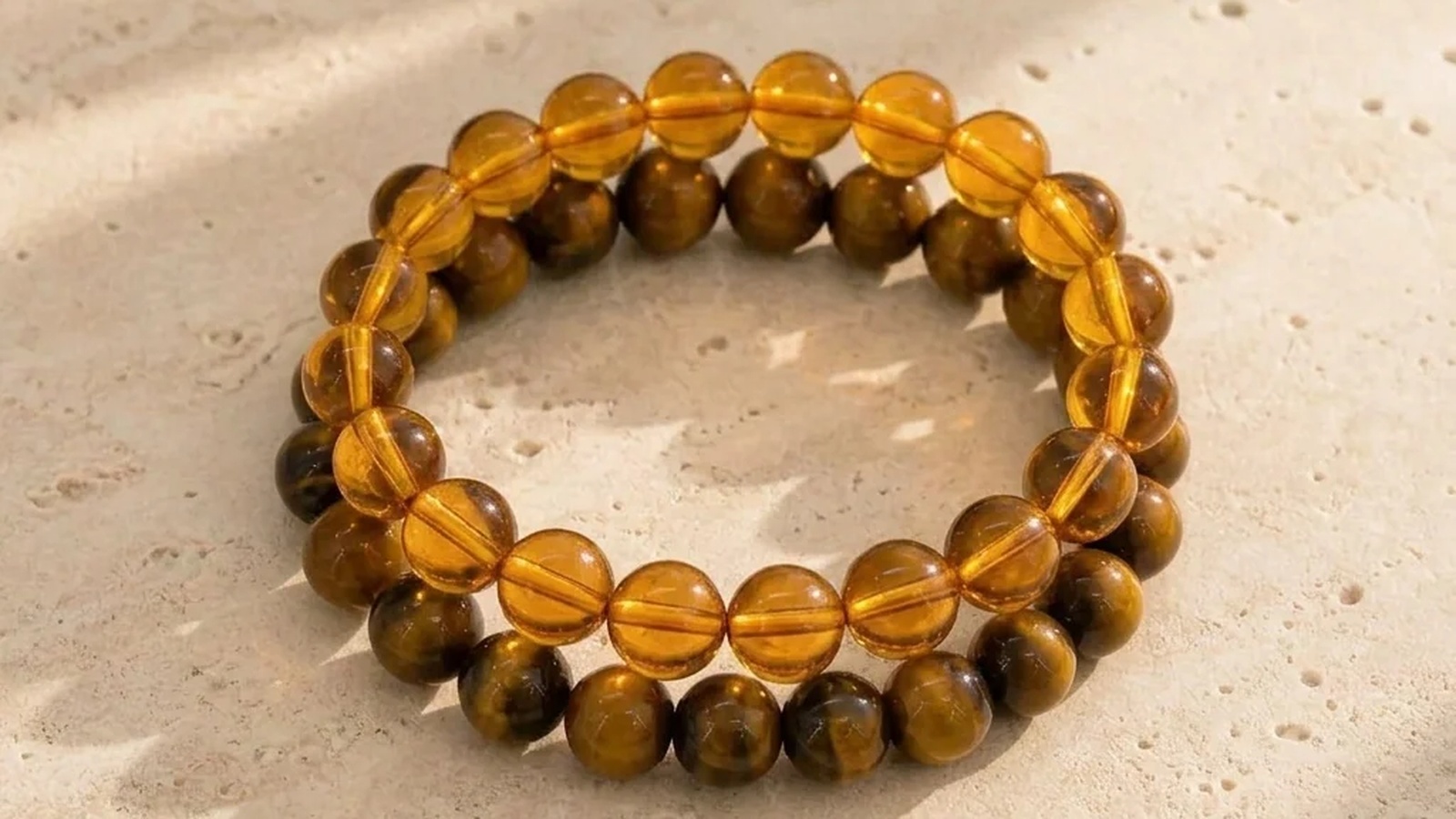
Table of Contents
- Short Answer: Is Citrine Water Safe?
- The Verdict Box — 10-Second Executive Summary
- Why Citrine Is Generally Water-Stable (Mohs 7, SiO₂ Structure)
- The Catch: Heat-Treated, Dyed & Coated Citrine
- Natural vs. Heated Citrine in Water
- Dyed, Fracture-Filled & Coated Stones
- Step-by-Step Water-Readiness Checklist for Citrine
- Rinsing, Soaking & Cleaning: What's Actually Safe
- Citrine Jewelry and Water: Settings, Glues & Metal
- Direct vs. Indirect Citrine Water: Comparison Table
- When to Keep Citrine Dry: Cracks, Inclusions & Sharp Edges
- FAQ: Quick Answers on Citrine and Water
- Is citrine water safe for drinking or making a crystal elixir?
- Can citrine go in water for cleansing or soaking?
- Does heat-treated or dyed citrine behave differently in water?
- Sources
Short Answer: Is Citrine Water Safe?
For most people, the practical answer is: citrine is safe to rinse, briefly soak, and clean in warm soapy water, because it is quartz (SiO₂) with a Mohs hardness of 7.0. The real concerns are not the mineral itself but what has been done to it: heat-treated amethyst, dyed or fracture-filled stones, glued jewelry settings, and sharp broken edges. Check the stone's origin and treatment before it touches water.
The Verdict Box — 10-Second Executive Summary
- Direct Verdict: Natural, untreated citrine is generally safe in water for rinsing, short soaks, and cleaning. Treated, dyed, coated, or glued citrine may not be.
- Mohs Hardness: 7.0 — sufficient for everyday water contact, but not immune to chipping or scratching.
- Chemical Composition: SiO₂ (silicon dioxide); quartz does not dissolve in water at everyday temperatures.
- Key Water Risk: Treatment and setting, not the crystal. Heat-treated amethyst is the most common commercial "citrine" and is still quartz, but dye, fillers, and glues can degrade in water.
- Safe Practice: Warm water with mild soap, brief contact, pat dry. Avoid prolonged soaking of treated or jewelry-set stones.
- What to Look For: Ask the seller whether the stone is earth-mined natural citrine or heat-treated amethyst, and whether any dye, resin filling, or coating has been applied.
- Personal Use Note: Many people enjoy placing citrine near water as a personal ritual; keep the stone in a sealed container so it never contacts the drinking water.
Why Citrine Is Generally Water-Stable (Mohs 7, SiO₂ Structure)
Citrine is a macrocrystalline quartz variety, and quartz is silicon dioxide — a mineral that does not dissolve in water at everyday temperatures. With a Mohs hardness of 7.0, it sits above window glass and is durable enough that the Gemological Institute of America lists warm, soapy water as a safe cleaning method for citrine (GIA: Citrine Care and Cleaning). That hardness and chemical stability are the two geological reasons citrine tolerates a rinse or a short soak far better than softer, porous, or water-soluble minerals.
Two honest caveats belong here. First, hardness is not toughness: quartz can chip, and Mindat notes that broken quartz can produce razor-sharp edges that can cut skin, so handle broken pieces with care (Mindat: Citrine mineral data). Second, "water-safe" describes the pure mineral — not necessarily the object you bought, which may carry treatments, coatings, or metalwork.
The Catch: Heat-Treated, Dyed & Coated Citrine
A large share of commercial "citrine" in the market is heat-treated amethyst — purple amethyst that has been heated in a kiln until its color shifts toward yellow or orange. Heat treatment does not make quartz water-soluble, but it does mean the stone you hold may differ from what its label implies, and heat-treated stones are sometimes further dyed, fracture-filled, or coated, which behave very differently in water. Ask the seller for the treatment history before you buy.
Natural vs. Heated Citrine in Water
The practical difference is less about water damage and more about knowing what you own. Natural earth-mined citrine typically keeps a gentle champagne or golden honey tone throughout the crystal and is not commonly sold with an opaque chalky white quartz base. Burnt-orange or brownish-amber clusters or geodes with white quartz bottoms are often heat-treated amethyst. For water use, the honest position is: both are quartz and both tolerate a rinse, but knowing whether the stone has been treated helps you judge whether dye and filler may also be present.
Dyed, Fracture-Filled & Coated Stones
This is where water becomes a genuine concern. GIA notes ultrasonic cleaning is usually safe "except in the rare instances where a stone is dyed or treated by fracture filling" — a useful reminder that treated stones carry the real cleaning risk. Dyes can leach, fillers can cloud or soften, and surface coatings can flake, especially with prolonged soaking or hot water. If you cannot confirm the stone is untreated, treat water as a brief rinse, not a bath.
Step-by-Step Water-Readiness Checklist for Citrine
Use this checklist before any citrine touches water. Each step maps to a specific, observable sign rather than general advice.
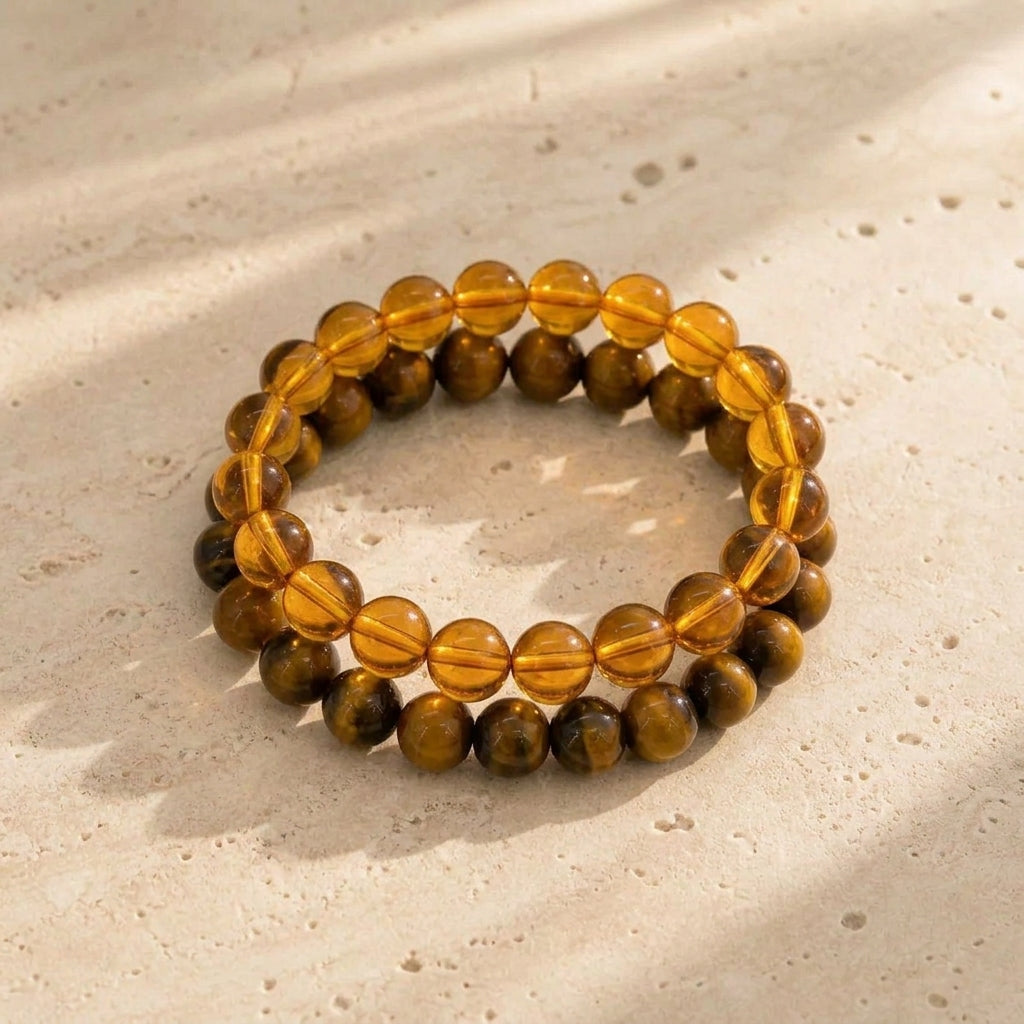
The Abundance & Prosperity Ritual Duo (Natural Citrine + Golden Tiger Eye)
Tiger eye is often worn as a quiet focus ritual for grounded confidence and steady attention.
Shop This Authentic Piece →- Confirm origin and treatment. Ask whether the stone is earth-mined natural citrine or heat-treated amethyst, and whether it has been dyed, filled, or coated. A treatment disclosure matters more than a marketing label.
- Look for a white quartz base. A chalky white bottom on a burnt-orange cluster is a common sign of heat-treated amethyst; natural citrine usually keeps its color through the crystal.
- Inspect for dye pooling. Concentrated color in cracks, drill holes, or surface pits suggests dye; those areas are where water will first pull pigment.
- Check for coatings. An unnatural uniform sheen or a waxy film that scuffs with a fingernail may be a coating that water can lift.
- Examine edges and inclusions. Chips, deep cracks, or sharp broken edges mean the stone should be kept out of soaking and handled carefully to avoid cuts.
- Inspect the setting. Glued settings, plated metals, and strung beads are often more water-sensitive than the stone itself.
- Do a patch test. Rinse an inconspicuous area with warm water and mild soap, pat dry, and check for color transfer or cloudiness before a full clean.
- Decide your comfort level. If treatment status is unknown, keep contact brief and cool, or use the indirect container method described below.
Applicability boundary: This checklist applies to citrine as a mineral specimen or jewelry stone. It does not evaluate whether water that has contacted a stone is suitable for drinking — for drinking water, use the indirect method so the crystal never touches the liquid.
Rinsing, Soaking & Cleaning: What's Actually Safe
For untreated natural citrine, warm water with a drop of mild soap and a soft cloth is the safe default, consistent with GIA's care guidance. A quick rinse or a few minutes of soaking to loosen dust is reasonable. Prolonged overnight soaking offers no benefit to quartz and simply extends exposure for any dye, filler, or glue present. Skip hot water, harsh detergents, and ultrasonic cleaners on any stone you suspect is dyed or fracture-filled. After washing, pat dry rather than air-drying, and store the stone away from harder materials that could scratch it.
Citrine Jewelry and Water: Settings, Glues & Metal
With jewelry, the stone is rarely the weak link. Glue-set cabochons and beads can loosen when adhesive softens; plated or lower-karat metals can tarnish or discolor; strung pieces can stretch. Remove citrine rings and bracelets before washing hands, showering, swimming, or cleaning, and never wear them in chlorinated or salt water. If a piece is glued rather than prong-set, keep it to surface wiping with a barely damp cloth.
If you want to place citrine near drinking water, use the indirect method: set the stone in a sealed glass container, then place that container into the water you intend to drink, so the crystal never contacts the liquid. This sidesteps every treatment, coating, and edge concern at once. Drink the water only from the outer vessel. Placing a crystal beside water is a symbolic, personal ritual for many people; it is not a demonstrated physical treatment for the water and is not medical advice.
Direct vs. Indirect Citrine Water: Comparison Table
| Method | What Happens | Best For | Boundary |
|---|---|---|---|
| Direct contact (stone in vessel) | Water touches the stone; any dye, coating, filler, or loose edge is in play | Brief cleaning of untreated natural citrine | Not recommended for drinking water or for stones of unknown treatment |
| Indirect (sealed container-in-container) | Stone stays dry; only the sealed inner vessel touches the water | Personal ritual use with drinking water | Drink only from the outer vessel; never open the inner container into the water |
| Dry placement (stone beside vessel) | No contact at all | Display and intention-setting | Keep away from children and pets due to small pieces and sharp edges |
When to Keep Citrine Dry: Cracks, Inclusions & Sharp Edges
Keep citrine dry if it has visible cracks, deep inclusions open to the surface, chipped points, or sharp broken edges — Mindat warns that broken quartz edges can cut skin. Keep dyed, coated, or fracture-filled stones dry to protect both the stone and the surface it sits on. Keep glued or plated jewelry dry. And keep raw clusters dry if you cannot verify their treatment history. In each case, a soft dry brush removes dust without the risk water introduces.
FAQ: Quick Answers on Citrine and Water
Is citrine water safe for drinking or making a crystal elixir?
The safest and most consistent method is indirect: seal the stone in a container and place it in the drinking water rather than soaking it directly, which avoids dye, coating, and edge concerns. This is a personal ritual practice, not a health treatment.
Can citrine go in water for cleansing or soaking?
Yes for brief rinses and short soaks of untreated natural citrine, using warm water and mild soap; prolonged soaking adds no benefit and increases risk for treated or glued pieces.
Does heat-treated or dyed citrine behave differently in water?
Heat-treated amethyst is still quartz and tolerates a rinse, but dye, fracture fillers, and coatings — sometimes added to heat-treated stones — can leach, cloud, or flake, so treated stones should be kept to brief, cool rinses.
Sources
© 2026 Lumina Quartz. This article shares mineral and care information for general guidance. Crystal practices described here are cultural and personal in nature and are not medical advice.
Crystal traditions are presented here as symbolic, cultural, and personal ritual practices. They are not medical tools; consult a qualified professional for health concerns.
Product Facts From the Current Catalog
These details come from the active Lumina Quartz catalog record checked on 2026-10-24. They are product-listing facts, not laboratory results or invented wear-test claims.
| Listed product | The Abundance & Prosperity Ritual Duo (Natural Citrine + Golden Tiger Eye) |
|---|---|
| Format | Ritual Crystal Duo |
| Listed price snapshot | 79.90 |
Price, availability, and options may change. Check the live product listing before choosing.