The Complete Everyday Guide to Raw Citrine: Meaning and Uses
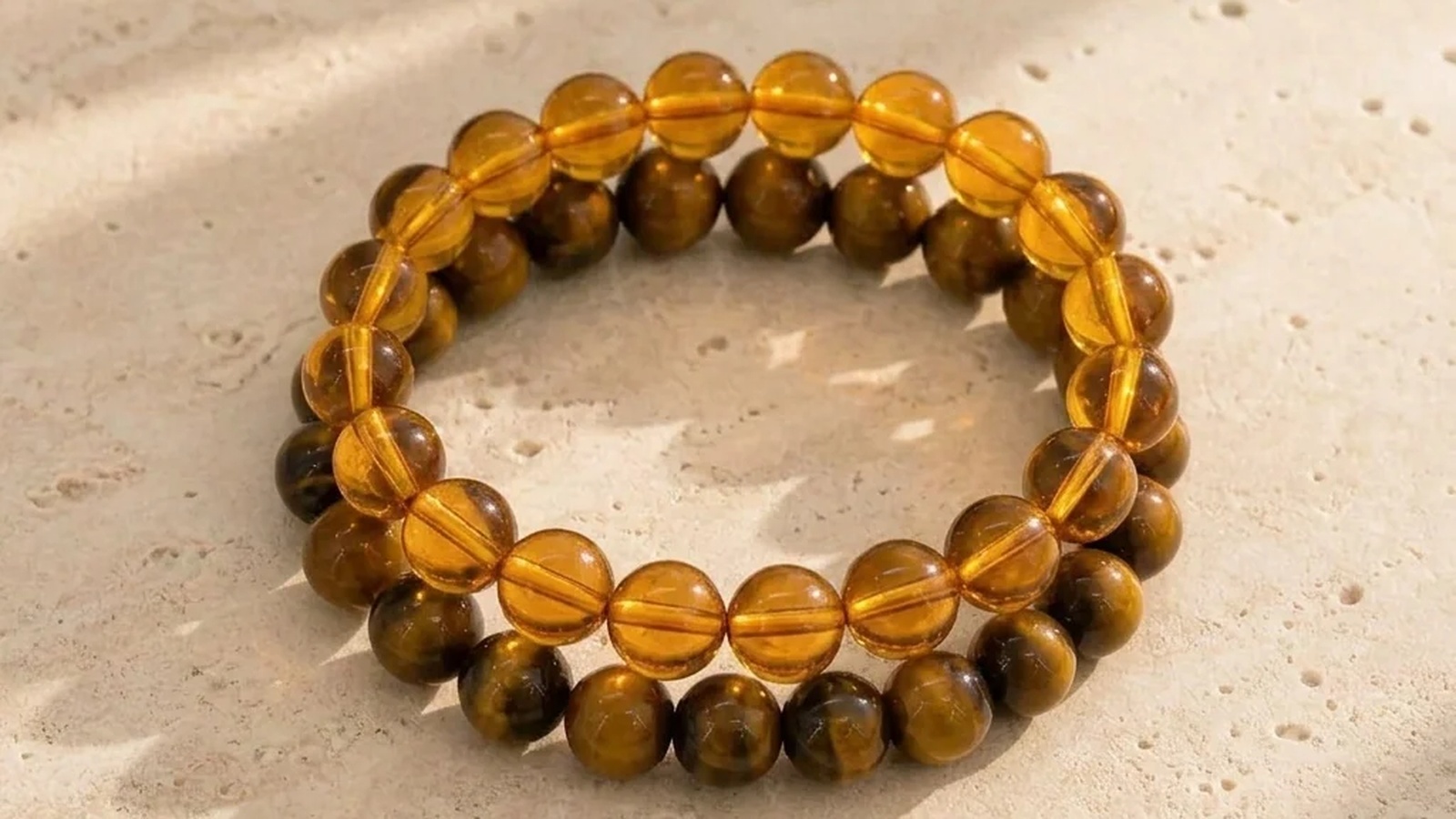
Table of Contents
- What Is Raw Citrine?
- Raw vs. Polished vs. Heat-Treated Citrine
- Step-by-Step Authenticity Checklist for Raw Citrine
- Why Natural Raw Citrine Is Rare
- The Meaning and Symbolism of Raw Citrine
- Everyday Uses for Raw Citrine
- Home and Workspace
- Jewelry and Carry Stones
- How to Choose Quality Raw Citrine
- Cleansing, Charging, and Care
- FAQ: Raw Citrine
- What is raw citrine and how is it different from polished citrine?
- Is raw citrine natural or heat-treated?
- How can you tell if raw citrine is real?
- Sources
Direct Verdict: Raw citrine is natural, unpolished yellow quartz colored by iron impurities. Genuine earth-mined raw citrine is rare; most commercial "citrine" is heat-treated amethyst.
- Mohs Hardness: 7.0 — durable enough for everyday handling but softer than topaz or corundum.
- Quality Benchmark: Lumina Grade AAA Earth-Mined Integrity Standard — un-irradiated, un-baked, no chemical resin, no dye.
- Best For: Desk or shelf display, carry stones, and warm-toned raw specimens where natural color zoning matters.
Raw citrine is natural yellow quartz left in its unpolished crystal form, and it differs from polished citrine mainly in surface finish and how much natural growth structure remains visible. The short answer: raw citrine is a genuine silica mineral colored by iron, with a Mohs hardness of 7.0, and most pieces sold today are actually heat-treated amethyst rather than natural earth-mined citrine. The Gemological Institute of America confirms that natural citrine is rare and that most citrine quartz on the market results from heat-treating amethyst quartz.
What Is Raw Citrine?
Citrine is the yellow-to-golden variety of quartz, and its color comes from iron impurities rather than dye. The name traces to the French word citron, meaning "lemon," as the Smithsonian National Museum of Natural History notes. In its raw state, citrine keeps its natural crystal faces, growth lines, and internal inclusions instead of being cut and buffed into facets or tumbled stones.
Because quartz is a hard, stable mineral, raw citrine holds its shape well and can sit on a desk or shelf for years without special handling. Color can range from pale lemon yellow to deep golden honey, and in gemological terms the two color families behave slightly differently under light. Keep in mind that color alone does not prove natural origin — the sections below explain why.
Raw vs. Polished vs. Heat-Treated Citrine
These three categories are not interchangeable, and the differences are geological, not just cosmetic.
- Raw natural citrine: Unpolished crystal or broken mass with natural faces and internal growth structures. Color tends to stay gentle and even through the stone — typically champagne to golden honey.
- Polished natural citrine: Cut or tumbled from natural material, which removes surface clues like crystal faces but leaves internal growth features intact.
- Heat-treated citrine (HTA): Common purple amethyst baked in industrial kilns at roughly 450°C–550°C until it turns orange. This is the majority of the market.
Step-by-Step Authenticity Checklist for Raw Citrine
- Check the base color: Look for a gentle champagne or golden honey hue that stays consistent through the crystal matrix. A burnt orange or brownish-amber cluster with an opaque chalky white quartz bottom is geologically consistent with baked amethyst, not natural citrine.
- Examine internal texture: Baked quartz often shows thermal stress fracture lines from rapid heating. Natural citrine tends to carry fine natural micro-veil inclusions instead.
- Look at the shape: A raw natural citrine point usually shows natural crystal faces and irregular growth zones. A "cluster" with a white quartz base is a strong warning sign, since natural citrine does not form that way.
- Check with light: Natural citrine may show subtle dichroism (pleochroism) under polarized light, along with even iron oxidation states. This is a jeweler-level check, not a kitchen test.
- Ask about treatment: A seller who can state clearly that the stone is un-irradiated, un-baked, and free of resin or dye is easier to trust. This is exactly what the Lumina Grade AAA Earth-Mined Integrity Standard stands for.
Why Natural Raw Citrine Is Rare
Natural citrine forms under specific conditions of iron presence and growth, and large clean crystals are uncommon. The GIA describes natural citrine as rare, which is precisely why kiln-baking amethyst became the industry shortcut. If a raw piece is large, vividly orange, and inexpensive, the odds are strong that it began as amethyst.
The Meaning and Symbolism of Raw Citrine
In gemstone culture, citrine is often associated with warmth and midday light. The GIA 4Cs notes that citrine's optimistic colors evoke the warmth of mid-day sunshine, and it is the birthstone for November. Many people keep raw citrine on a workspace desk as a visual reminder of clarity and steady energy, and it may support a sense of grounded focus through that daily ritual.
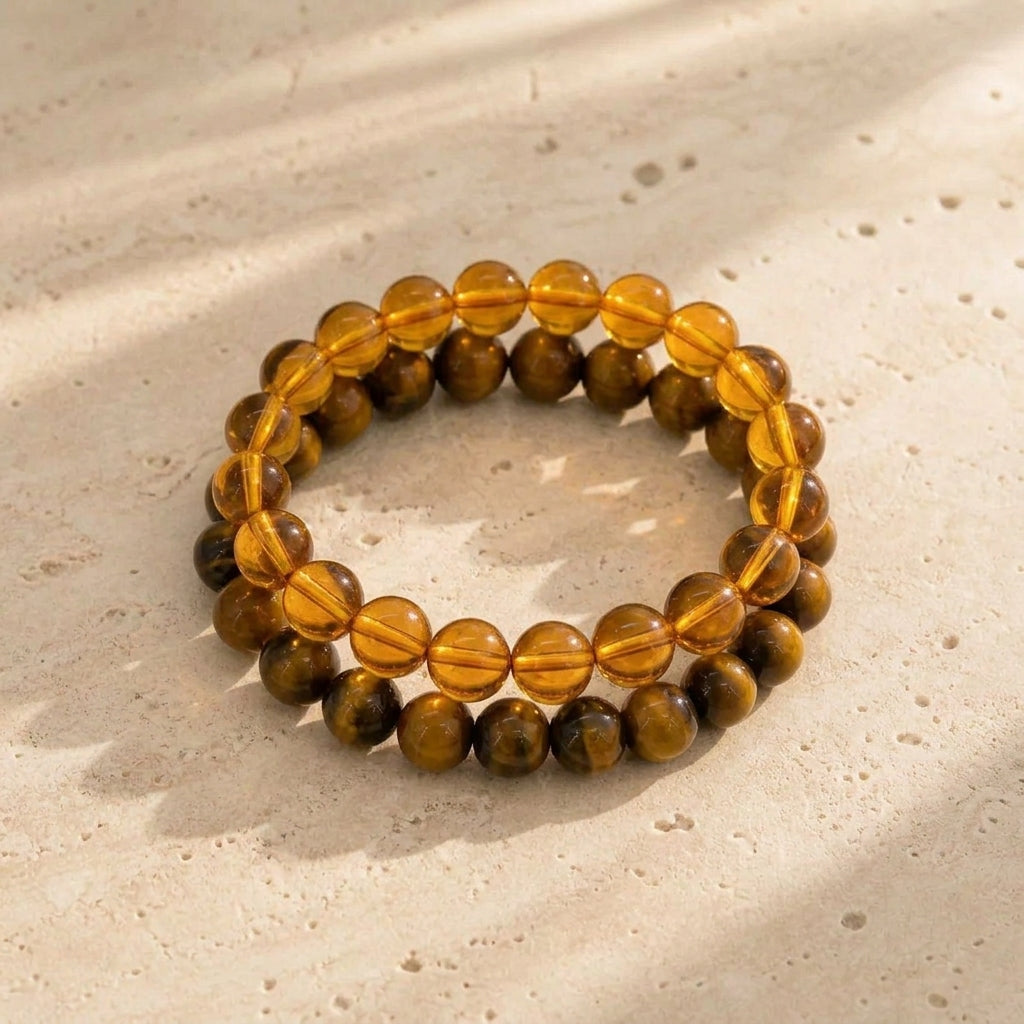
The Abundance & Prosperity Ritual Duo (Natural Citrine + Golden Tiger Eye)
Tiger eye is often worn as a quiet focus ritual for grounded confidence and steady attention.
Shop This Authentic Piece →These associations are cultural and personal rather than medical. Citrine's symbolism is a reminder tool; it is not a treatment for any condition. In gemology, citrine is simply iron-colored quartz, and Mindat records natural citrine localities worldwide — a useful reminder that the stone is valued first as a mineral specimen.
Everyday Uses for Raw Citrine
Home and Workspace
Raw citrine works well as a low-maintenance display piece. Place a point or small cluster near a window where indirect light catches the champagne color without harsh glare, or on a desk where its warm tone breaks up a neutral palette. Because quartz rates 7.0 on the Mohs scale, it will not scratch easily from normal handling, though it can chip if dropped on a hard floor. Keep raw specimens away from prolonged direct sun if you want to preserve the displayed color over time.
Jewelry and Carry Stones
Polished citrine is the better choice for rings and bracelets because raw sharp edges can catch on fabric and hair. Raw citrine suits a pendant setting or a pocket stone; a small point carried in a bag or placed in a coat pocket is practical and needs no maintenance beyond an occasional rinse. For jewelry, confirm the stone is natural before paying a premium — many bright orange faceted stones are heat-treated amethyst.
How to Choose Quality Raw Citrine
Focus on honest sourcing rather than dramatic color. The Lumina Grade AAA Earth-Mined Integrity Standard means natural, un-irradiated, un-baked raw silica with natural micro-veil inclusions, with no chemical stabilization, dye, or resin. Look for even champagne-to-honey color, natural crystal faces, and transparent-to-translucent areas with fine internal veils rather than harsh fracture lines.
Be cautious of two common traps: raw pieces with a chalky white quartz base, and unpolished clusters in deep burnt orange or brownish-amber tones. Both are consistent with baked amethyst rather than natural citrine. A reliable seller will describe the stone honestly, including its treatment status, rather than leaning on dramatic photos.
Cleansing, Charging, and Care
Raw quartz is easy to care for. Rinse it with lukewarm water and let it dry naturally; avoid sudden temperature swings, since quartz can crack from thermal shock. A soft brush removes dust from crevices. Many people let citrine rest in morning sunlight as a symbolic brightening ritual, but keep in mind that prolonged direct sun is not ideal for color retention, whether the stone is natural or treated.
For "cleansing," treat it as a personal practice rather than a technical requirement. Avoid salt-water soaks for raw pieces with fine inclusions, as repeated soaking may aggravate hairline fractures. Set the stone on a dry cloth or in a shallow dish of dry rice if you prefer a non-water method. Store raw points separately from harder stones to prevent surface abrasion.
FAQ: Raw Citrine
What is raw citrine and how is it different from polished citrine?
Raw citrine keeps its natural crystal faces, growth lines, and inclusions, while polished citrine has been cut or tumbled smooth. Raw pieces offer more visible geological evidence, which makes them easier to assess for natural origin.
Is raw citrine natural or heat-treated?
Most raw citrine on the market is heat-treated amethyst, baked in kilns at roughly 450°C–550°C. Genuine natural citrine is rare, and the GIA confirms the trade relies heavily on treatment.
How can you tell if raw citrine is real?
Look for gentle champagne or golden honey color that stays even through the stone, natural crystal faces, and fine micro-veil inclusions. Burnt orange clusters with a chalky white quartz base, or stones with thermal stress fracture lines, are consistent with baked amethyst.
Sources
- GIA — Citrine History and Lore
- Smithsonian National Museum of Natural History — Quartz Gems (var. citrine)
- GIA 4Cs — Citrine Archives
- Mindat — Citrine: Mineral information, data and localities
© 2026 Lumina Quartz. This guide is for educational purposes and does not provide medical advice. Crystal symbolism is cultural and personal; it is not a substitute for professional care.
Product Facts From the Current Catalog
These details come from the active Lumina Quartz catalog record checked on 2026-11-02. They are product-listing facts, not laboratory results or invented wear-test claims.
| Listed product | The Abundance & Prosperity Ritual Duo (Natural Citrine + Golden Tiger Eye) |
|---|---|
| Format | Ritual Crystal Duo |
| Listed price snapshot | 79.90 |
Price, availability, and options may change. Check the live product listing before choosing.